
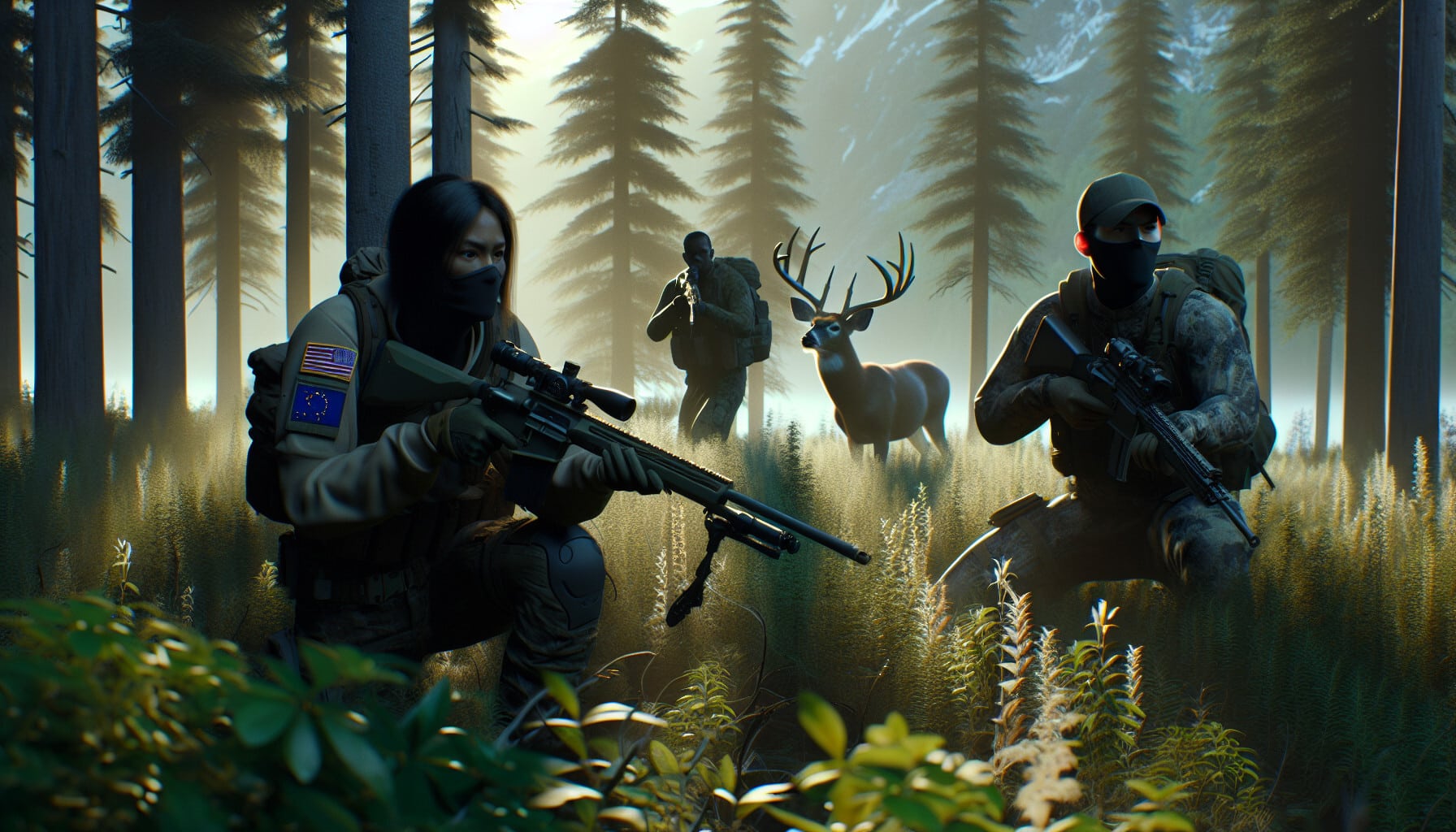


Enhancing the likelihood of successfully tagging a big buck this season can be achieved through the following low-impact deer hunting strategies.
Once a buck has been tagged, it is crucial to adhere to low-impact hunting principles. Maintaining stealth and efficiently retrieving the deer is essential.
1. Rotate Hunting Locations for Optimal Conditions
Utilizing multiple hunting properties allows for selecting the most suitable location based on daily conditions. Regularly rotating between properties prevents over-hunting any single area. If multiple properties are unavailable, rotating between stands on the same property is advisable. The initial hunt in a particular stand often yields the best results. Deer season can extend from early bow or muzzleloader seasons into December or beyond, providing several opportunities for first-time hunts in prime stands throughout the season. This strategy helps prevent deer from becoming accustomed to human presence and hunting pressure. Over-hunting can lead to deer becoming nocturnal or abandoning the area entirely.
2. Prioritize Stealth Throughout the Hunting Process
Stealth is vital during scouting, setting up trail cameras, and establishing treestands and ground blinds. This principle extends beyond the hunt itself; after tagging a buck, it remains important to remain undetected. Field dressing the deer and removing it from the area should be done swiftly and quietly, especially if further hunting is planned in the same location later in the season.
3. Minimize Year-Round Disturbances
Avoid using primary hunting properties as recreational areas throughout the year. While activities such as hiking, snowshoeing, cross-country skiing, snowmobiling, or ATV riding can be enjoyable, they can disturb deer populations. Consistent disturbances can lead to big bucks vacating the property permanently.
By implementing low-impact hunting techniques, hunters not only reduce their impact on deer but also increase their chances of successfully tagging a big buck.