
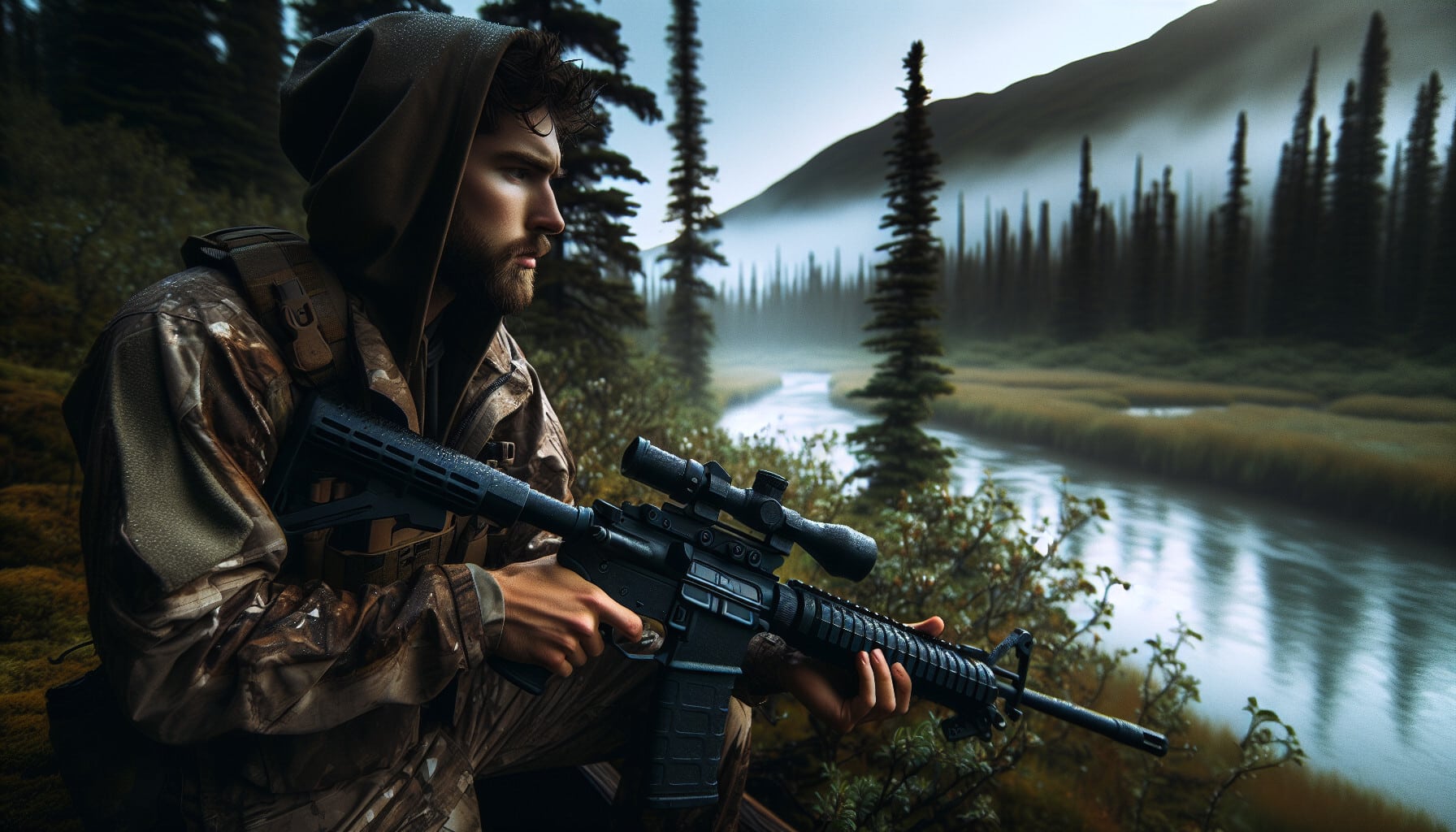


AR-15s and predator hunting are rapidly gaining popularity, and understanding how to optimize an AR-15 for this purpose is essential for any serious hunter. This guide will break down the components necessary for building an ideal AR-15 tailored specifically for predator hunting in Alaska.
Understanding the Lower Receiver for Predator Hunting
The lower receiver is the core of any AR-15. It houses critical components like the trigger, hammer, magazine catch, and safety mechanisms. The lower receiver serves as the pivot point for the upper receiver, pistol grip, and buttstock. Due to legal regulations, acquiring a lower receiver requires following specific procedures for firearm purchases.
Lower receivers can be obtained in two forms: complete or stripped. A complete lower includes all necessary parts for functionality, while a stripped lower is a blank slate requiring additional components to be purchased separately.
Choosing the Right Upper Receiver
If the lower receiver is the heart, then the upper receiver is the brain of the AR-15. This component houses the barrel, handguard, rails, bolt carrier group, gas system, and charging handle. The upper receiver is crucial for determining the rifle’s accuracy and performance. Like the lower, it can also be purchased complete or stripped.
When it comes to caliber, the most common choice for AR-15s is .223, which is effective for a variety of predators. This caliber provides a flat trajectory up to 300 yards, and ammunition is readily available. One of the advantages of the AR-15 platform is the ability to easily swap out the upper receiver, allowing for versatility in hunting applications.
Barrel lengths typically range from 16 to 20 inches. A 16-inch barrel offers a lightweight option, while an 18-inch barrel enhances velocity and reduces gas pressure, extending the firearm’s longevity. A 20-inch barrel, while accurate, adds weight. The choice ultimately depends on personal comfort and handling preferences.
A twist rate of 1:8 or 1:9 is ideal for predator hunting, as it accommodates lighter, faster-expanding bullets typically in the 40-50 grain range.
Importance of the Handguard
The handguard is another critical component. It is advisable to use a free-floating handguard, as it does not make contact with the barrel, ensuring consistent accuracy. A length of ¾ to full is recommended to allow for mounting accessories like slings or bipods. A Picatinny rail on top of the handguard is essential for optics installation.
Selecting Optics for Precision
Choosing the right optics is vital for effective predator hunting. A versatile scope, such as the Bushnell SMRS 1-6.5×24, provides excellent short to mid-range accuracy. For longer-range shots, a scope like the Bushnell Trophy Extreme offers additional magnification. Both options should be mounted on reliable bases like Weaver SPR 30mm thumbnut mounts.
Comfort with Stock and Grip
The buttstock should prioritize comfort, with adjustable options from brands like MagPul or Blackhawk being highly recommended. This allows for customization based on clothing layers during cold weather. Pistol grips are available in various styles; selecting one that feels comfortable is crucial for effective handling.
Essential Accessories for Predator Hunting
Several accessories can enhance the predator hunting experience. A quality set of shooting sticks and a tactical sling are invaluable. A bipod, such as the Short Bipod Trigger Stick from Primos, offers quick adjustments and stability, particularly on uneven terrain. A tactical sling alleviates fatigue during transport and frees up hands for carrying additional equipment.
Choosing the Right Ammunition
The final component of a successful predator hunting setup is ammunition. With the rise in popularity of predator hunting, manufacturers now offer specialized loads. The American Eagle Varmint & Predator 50gr. jacketed-hollow-points in .223 Rem are highly effective, achieving a muzzle velocity of 3,325 feet per second and maintaining accuracy up to 250 yards. Bulk packs facilitate quick loading and easy transport.
Once the AR-15 is assembled and achieves sub-1-inch MOA at the range, hunters should practice field setups to enhance stealth and efficiency. Continuous tinkering with the AR-15 will lead to improved performance and personal satisfaction in predator hunting.