
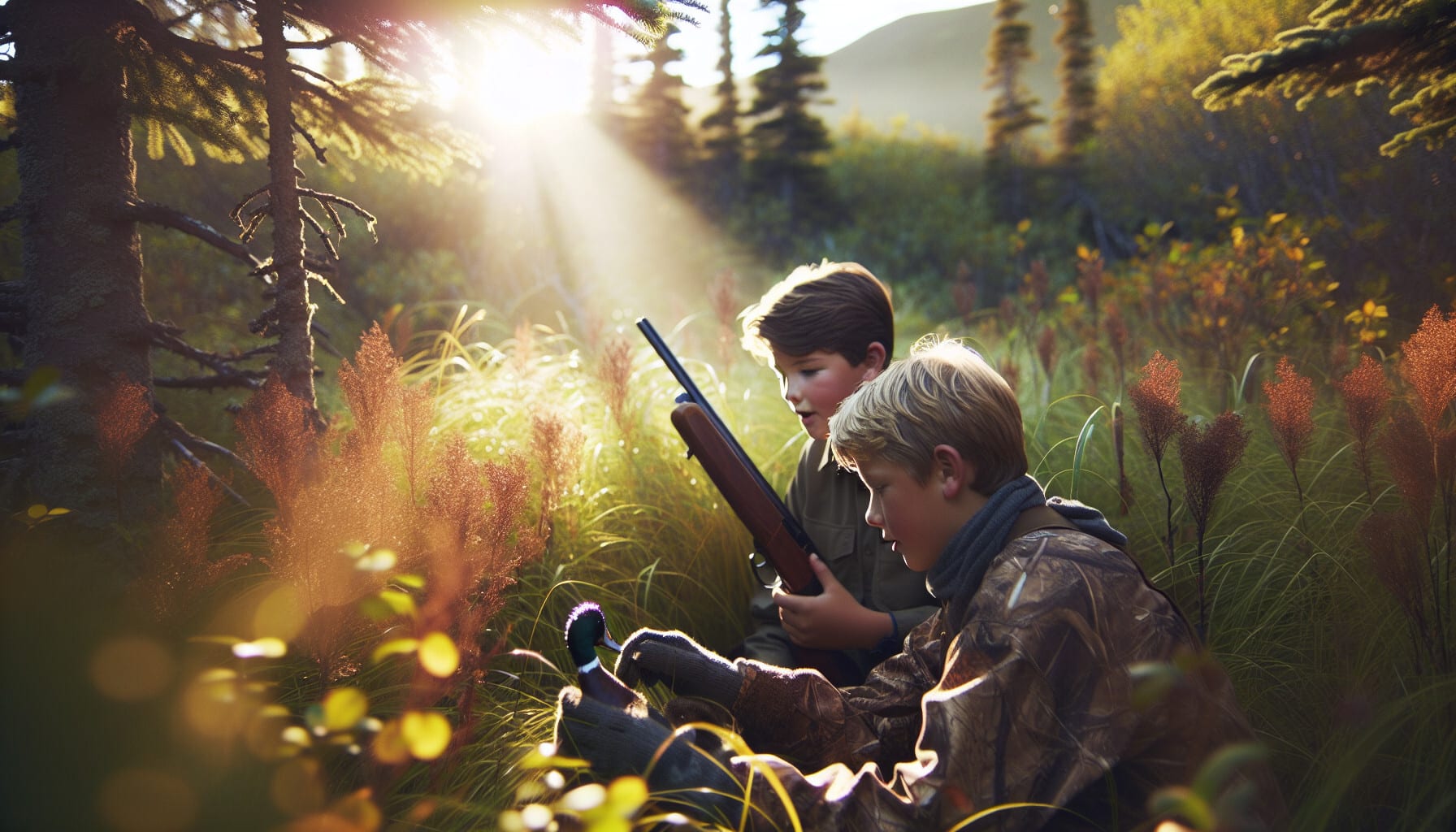


Top Duck Hunting Tips for Young Alaskan Adventurers
Duck hunting in Alaska presents unique challenges and rewards. For young adventurers eager to embrace this thrilling outdoor activity, understanding the intricacies of the environment, equipment, and techniques is crucial. This guide offers essential tips to help novice hunters maximize their experience and success in the Alaskan wilderness.
Understanding Alaskan Waterfowl Habitats
Alaska’s diverse ecosystems provide various habitats for waterfowl. Familiarizing oneself with these environments is vital for effective hunting.
- Wetlands: Key areas for duck populations, providing food and shelter.
- Lakes and Rivers: Essential for migratory routes; scouting these locations enhances hunting success.
- Coastal Areas: Often overlooked, these spots can yield abundant opportunities for hunting.
Essential Gear for Duck Hunting in Alaska
Having the right equipment can make a significant difference. Here are the must-have items for young hunters:
- Shotgun: A reliable 12-gauge shotgun is recommended for waterfowl.
- Decoys: Invest in high-quality decoys to attract ducks effectively.
- Camouflage: Proper clothing and gear to blend into the environment are essential.
- Waders: Waterproof waders are crucial for navigating wet areas comfortably.
Timing and Seasonal Considerations
Understanding the best times to hunt can significantly impact success rates. Key considerations include:
- Migration Patterns: Familiarize yourself with the seasonal migration of ducks to optimize hunting trips.
- Weather Conditions: Overcast days often provide better hunting conditions as ducks are more active.
- Time of Day: Early mornings and late afternoons are peak times for duck activity.
Effective Calling Techniques for Ducks
Mastering calling techniques can enhance your chances of attracting ducks. Here are some expert tips:
- Learn Basic Calls: Start with quacks, whistles, and feeding calls to mimic natural sounds.
- Practice: Regular practice will improve your calling accuracy and effectiveness.
- Use Calls Sparingly: Overcalling can scare ducks away; use calls judiciously.
Safety and Ethical Hunting Practices
Safety and ethics are paramount in hunting. Young adventurers should adhere to the following guidelines:
- Follow Regulations: Always be aware of local hunting laws and regulations.
- Hunt with a Partner: Never hunt alone; having a buddy enhances safety.
- Respect Wildlife: Practice ethical hunting by minimizing waste and respecting the environment.
Conclusion: Embrace the Adventure
Duck hunting in Alaska offers young adventurers an incredible opportunity to connect with nature and develop valuable skills. By understanding habitats, utilizing the right gear, timing hunts effectively, mastering calling techniques, and practicing safety, novice hunters can embark on a rewarding journey in the Alaskan wilderness. Embrace the adventure, and make unforgettable memories in the great outdoors.