
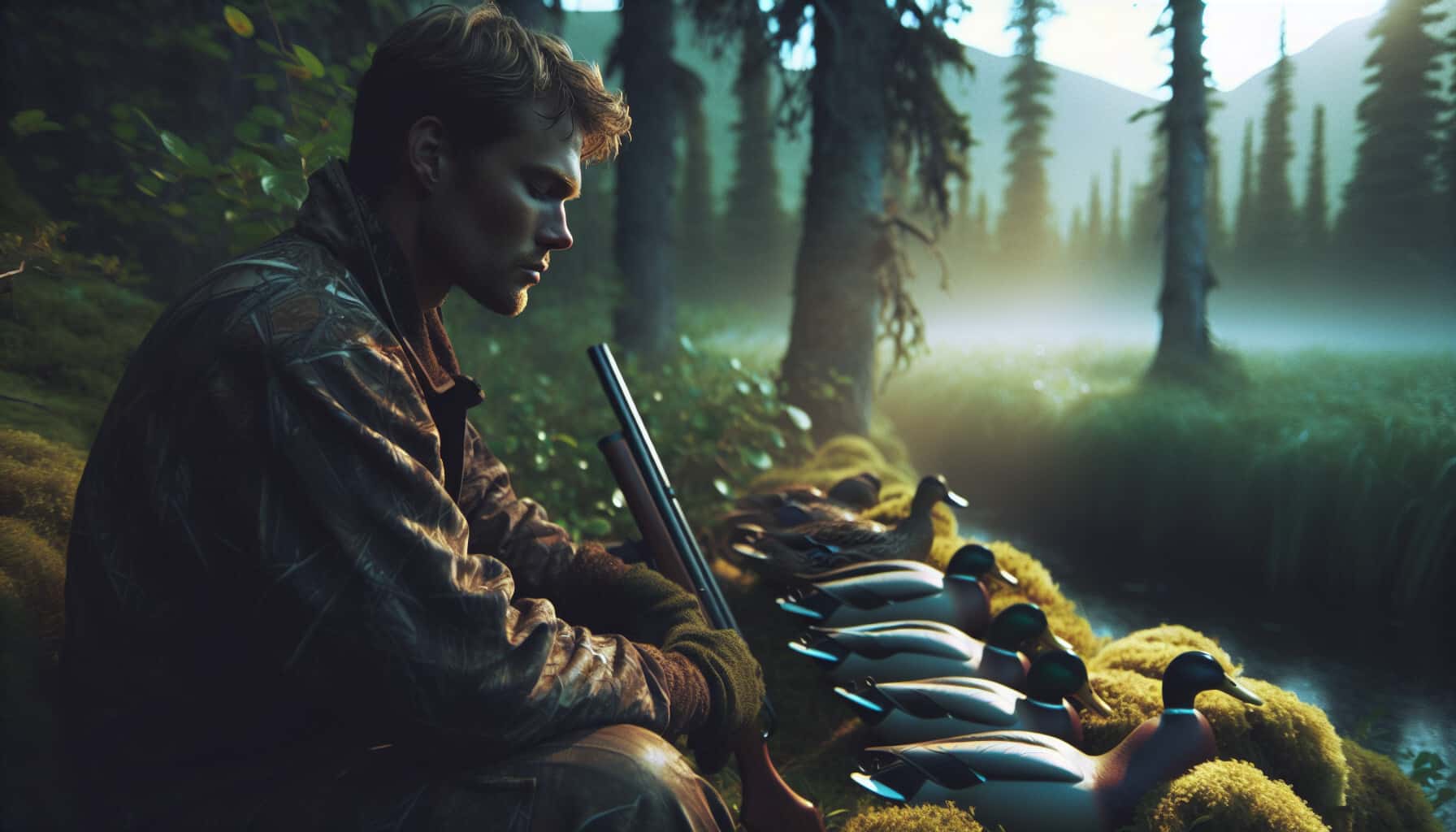


Best Duck Decoy Spreads for Successful Alaska Hunting
When it comes to duck hunting in Alaska, understanding the intricacies of natural duck behavior is key to creating effective decoy spreads. Late-season ducks are often seasoned veterans, making it essential to replicate their natural environments as closely as possible.
Understanding Natural Duck Behavior
Alaskan waterfowl exhibit specific patterns and preferences. By studying their natural habitats, hunters can enhance their chances of success. Here are some critical factors to consider:
- Feeding Habits: Ducks typically feed in shallow waters with abundant vegetation. Mimicking these conditions can attract more birds.
- Social Dynamics: Ducks are social creatures. A spread that reflects group dynamics can be more appealing, especially during migration.
- Weather Conditions: Ducks respond to environmental changes. Adjusting decoy placements based on wind and weather can significantly impact effectiveness.
Optimal Decoy Spreads for Alaska
Creating a successful decoy spread involves strategic placement and selection of decoys. Here are some recommended spreads:
The Classic U-Shape Spread
This formation mimics a natural gathering of ducks. Place decoys in a U-shape, with the open end facing the wind. This allows incoming ducks to land comfortably.
The J-Shape Spread
Similar to the U-shape, the J-shape encourages ducks to approach from the side. This spread is particularly effective in areas with strong currents or wind.
The Loose Group Spread
Scattering decoys in a loose formation can attract curious ducks. This spread works well in open water where ducks are less likely to feel threatened.
Decoy Selection and Quality
The type and quality of decoys used can greatly influence hunting success. Consider the following:
- Material: Opt for durable, weather-resistant materials to withstand Alaskan conditions.
- Realism: High-quality, realistic decoys are more likely to attract ducks. Look for options with detailed paint jobs and lifelike features.
- Movement: Incorporating motion decoys can simulate natural behavior, drawing in more birds.
Timing and Seasonal Considerations
Timing is crucial in Alaska. The best hunting occurs during migration periods, typically in late fall and early spring. Monitor local migration patterns to optimize your hunting trips.
Common Pitfalls to Avoid
Even experienced hunters can make mistakes. Here are some common pitfalls to avoid:
- Overcrowding Decoys: Too many decoys can create confusion. Maintain a balance to ensure a natural appearance.
- Ignoring Wind Direction: Always position decoys with the wind in mind to facilitate landing.
- Neglecting Local Regulations: Stay informed about hunting regulations in Alaska to ensure compliance and ethical hunting practices.
Expert Tips for Success
To further enhance hunting success, consider these expert insights:
- Scout locations before hunting to understand duck behavior and preferences.
- Experiment with different spreads and placements to find what works best in specific conditions.
- Utilize calling techniques that mimic local species to attract more ducks.
Conclusion
By understanding natural duck behavior and employing effective decoy strategies, hunters can significantly improve their success rates in Alaska. Stay informed, adapt to conditions, and always prioritize ethical hunting practices for a rewarding experience.