
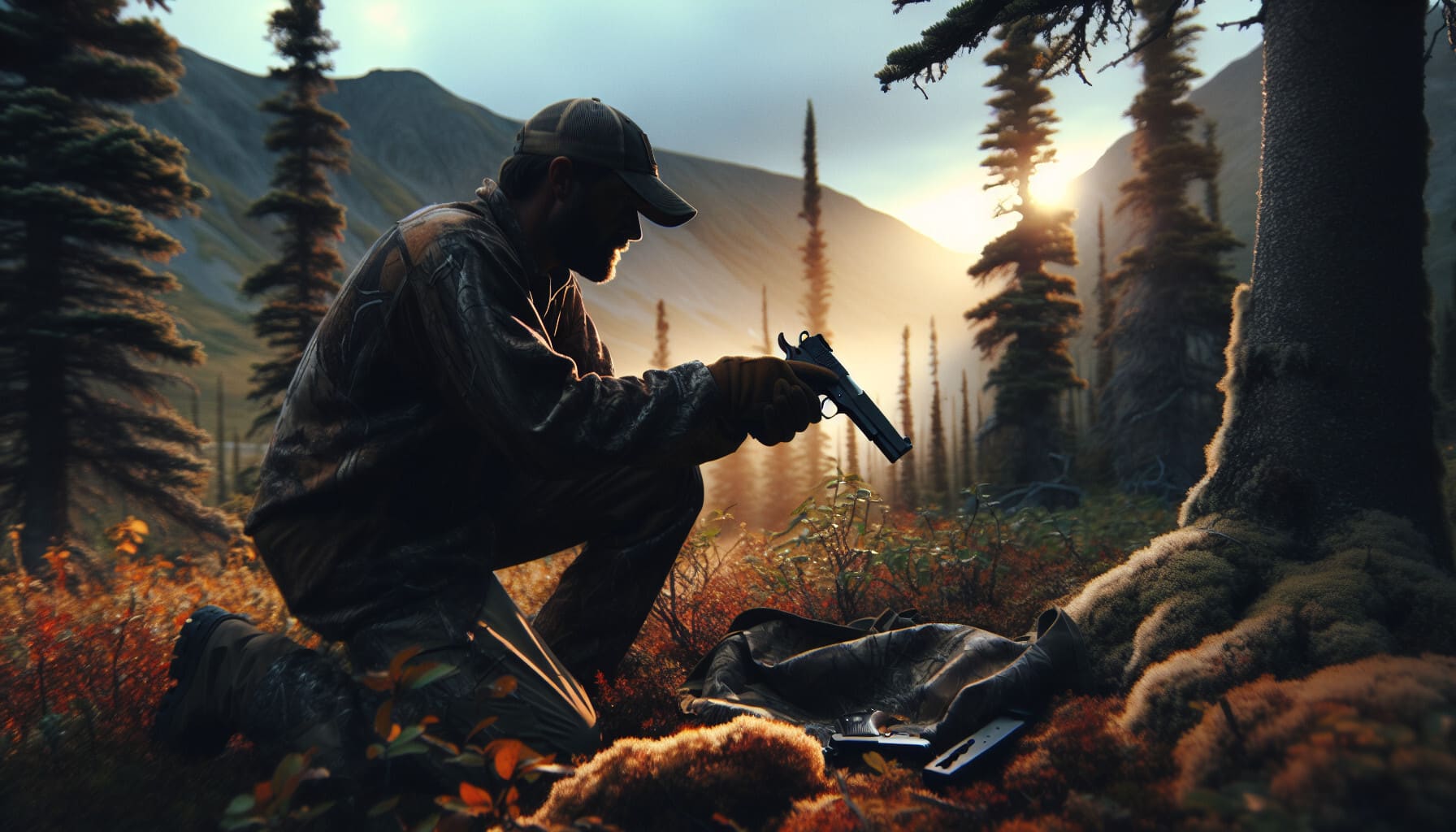


Best Ways to Carry a Concealed Handgun While Hunting in Alaska
In the rugged wilderness of Alaska, the ability to carry a concealed handgun can provide a sense of security and confidence. However, the effectiveness of this practice hinges not only on the choice of firearm but also on the method of carry. Selecting the appropriate carry position is crucial for ensuring quick access when needed, especially in a hunting scenario where conditions can be unpredictable.
Considerations: Assess where and how you will be carrying your handgun. Will it be for daily hunting activities or specific excursions? Evaluate your typical environment: Are you primarily outdoors, navigating through dense brush, or sitting in a tree stand?
Exploring Various Handgun Carry Positions for Hunting
Carry on the Belt
Ideal for: everyday hunting, walking, and range practice.
Outside the Waistband (OWB) Holster – Positioned on the waistline, this holster is usually visible unless concealed by clothing. It offers comfort for extended wear and allows for a consistent draw stroke. However, it requires careful attention to clothing choice to avoid accidental exposure.
- Strong-side carry: The handgun is positioned on the dominant hip, providing easy access when wearing loose-fitting clothing.
- Cross draw: The holster is placed on the non-dominant side, allowing for a reach across the body, which is advantageous when seated, such as in a vehicle.
- Small of the back (SOB): This position is worn at the lower back, offering comfort while standing but may be less accessible when seated.
Tips: Ensure clothing adequately covers the holster, particularly when bending or sitting, and invest in a quality belt to secure the holster effectively.
Inside the Waistband
Ideal for: everyday use and work settings.
Inside the Waistband (IWB) Holster – This holster sits between the body and pants, typically worn just behind the hip. It is more concealable as it rests closer to the body, making it suitable for lighter clothing. However, it may compromise comfort due to the proximity of the firearm.
Tips: Ensure the grip of the handgun is positioned high enough above the belt for a quick and efficient draw.
Shoulder Holster
While belt carry is effective, shoulder holsters can offer unique advantages.
Ideal for: cold weather, horseback riding, and work environments.
Shoulder Holster – This holster is secured near the armpit, often featuring a magazine carrier on the opposite side. It distributes weight evenly across the shoulders, enhancing comfort, particularly for seated carriers. This method also minimizes printing, or the visible outline of the firearm, but necessitates a cover garment.
Tips: Choose a holster with multiple adjustment points for a tailored fit, ensuring it remains comfortable under clothing.
Cell-Phone Holster
Ideal for: everyday carry, work, and jogging.
Cell-Phone Holster – This holster resembles a standard cell-phone case but is designed to conceal a small handgun. It offers a discreet and comfortable carry option, although drawing the firearm quickly may require practice.