
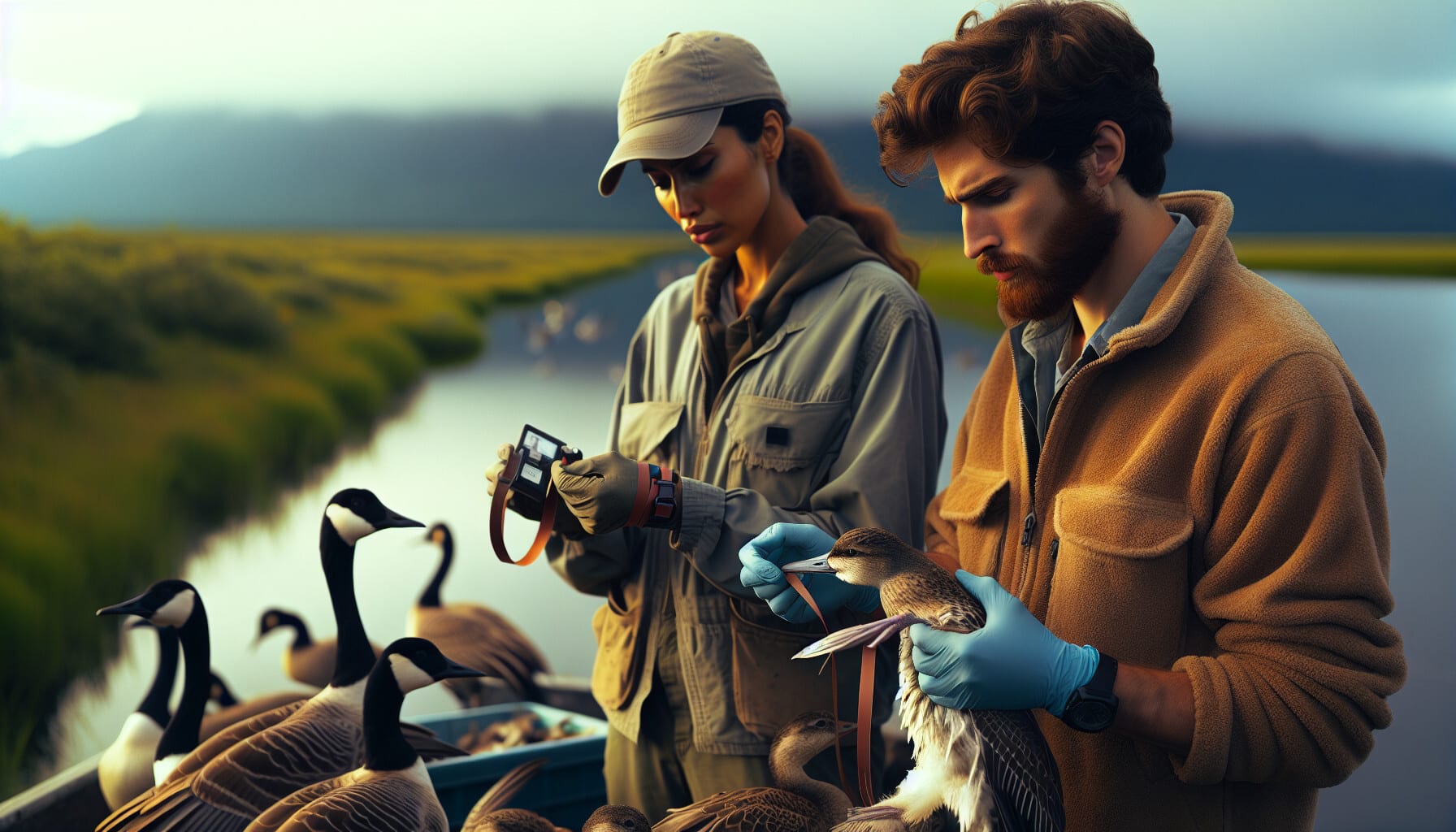


Understanding Waterfowl Banding in Alaska
Waterfowl banding is a crucial method employed by biologists to monitor and conserve duck and goose populations in Alaska. This technique not only aids in tracking migratory patterns but also provides vital data for effective wildlife management.
What is Waterfowl Banding?
Waterfowl banding involves placing a lightweight, uniquely numbered band around the leg of a bird. This band allows researchers to identify individual birds when they are recaptured or reported by hunters. The information gathered from these bands contributes to a broader understanding of population dynamics, migration routes, and survival rates.
Why Band Waterfowl?
- Population Monitoring: Banding helps estimate population sizes and trends over time.
- Migratory Patterns: Biologists can track migration routes and timing, providing insights into habitat use.
- Survival Rates: Data collected from banded birds helps assess survival rates and identify threats.
- Hunter Contributions: Reports from hunters who encounter banded birds contribute valuable data to research efforts.
Methods of Banding
In Alaska, biologists typically conduct banding during the breeding season when waterfowl are more accessible. The process involves:
- Capturing birds using nets or traps.
- Carefully fitting a band around the leg without causing harm.
- Recording data such as age, sex, and location before releasing the bird.
Challenges and Considerations
While banding is an effective tool, several challenges exist:
- Weather Conditions: Harsh Alaskan weather can complicate banding efforts.
- Human Disturbance: Activities such as hunting can affect bird behavior and band recovery rates.
- Data Accuracy: Ensuring accurate reporting from hunters is critical for reliable data.
Impact of Banding on Conservation Efforts
The data obtained from banding initiatives directly influences conservation strategies. By understanding population trends and migratory behaviors, biologists can:
- Implement targeted habitat conservation efforts.
- Adjust hunting regulations to ensure sustainable populations.
- Educate the public on the importance of waterfowl conservation.
Conclusion
Waterfowl banding is an essential technique for biologists in Alaska, providing critical insights into the health and dynamics of bird populations. By leveraging this data, conservation efforts can be more effectively tailored to protect these vital species and their habitats.