
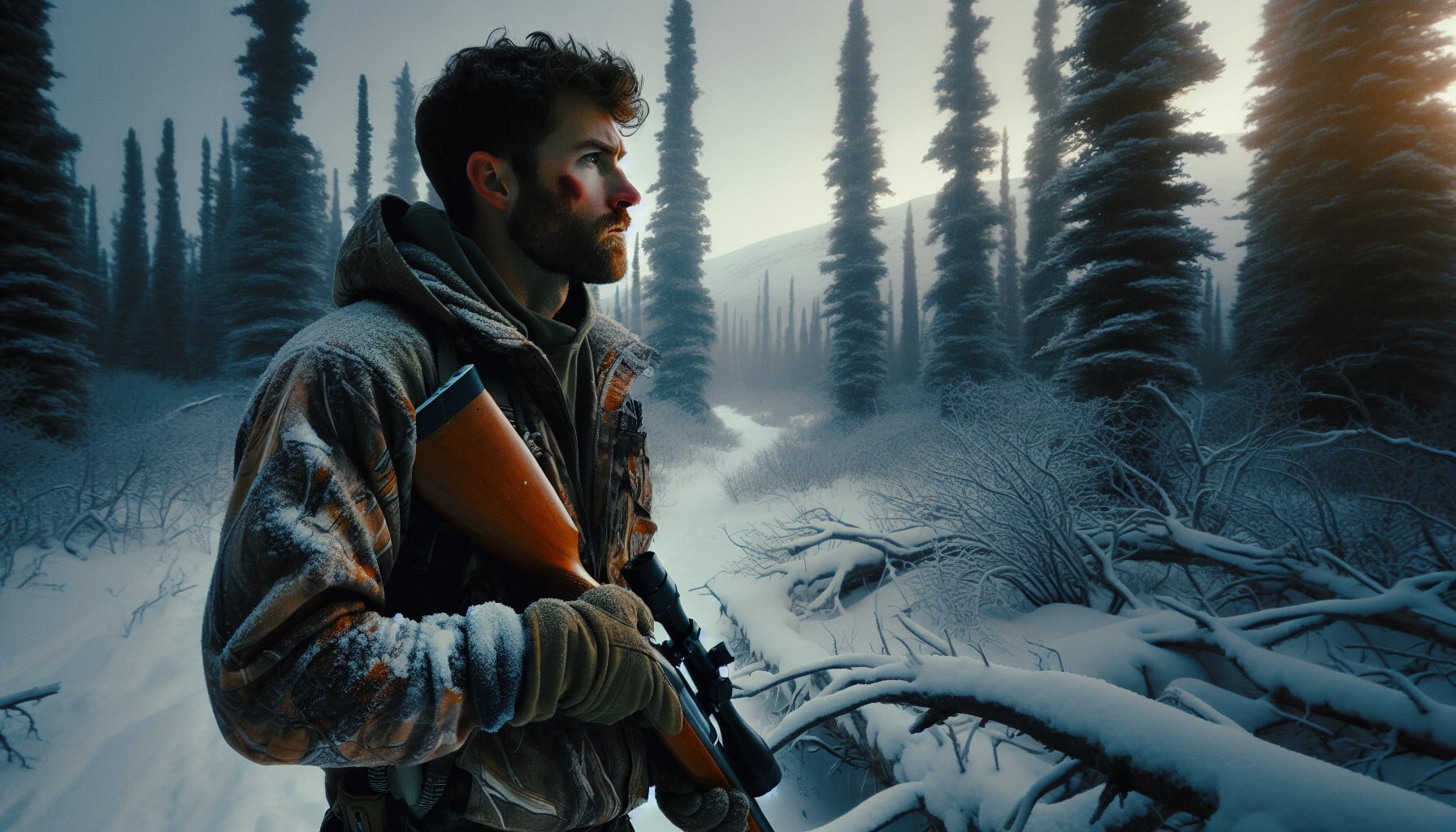
The predator hunter engages in a unique practice that sets them apart from other sportsmen. Unlike typical hunting, predator callers aim to lure animals that are instinctively seeking to kill. This distinction raises the question: are hunters at risk of attacks from predators such as coyotes, cougars, wolves, or bears? Given the increasing predator populations and evolving regulations, the answer is increasingly affirmative.
Coyotes: Understanding the Threat
Over the past 25 years, coyote populations have expanded dramatically, moving from their original western and southwestern habitats to every state, including urban areas. This adaptation has led to a generation of coyotes with little fear of humans.
When calling coyotes, a single determined animal can be dispatched with a well-placed shot. However, multiple coyotes present a different challenge. It is advisable to take the first shot at a distance, ensuring accuracy whether at 50, 75, or 100 yards. After the initial shot, standing up can signal to the approaching animals that they are not dealing with a prey animal, potentially stopping them in their tracks for additional shots.
As urban coyotes increasingly coexist with humans, the perception of these animals must shift. They now pose a genuine risk to hunters.
Wolves: A Growing Concern
In recent years, wolf populations have surged beyond Yellowstone National Park, spreading into states like Idaho, Montana, and Washington. Wolves hunt in packs and are capable of taking down large prey, including deer and elk. This poses a significant risk for predator hunters who may inadvertently attract wolves while calling.
In states where wolves are protected, such as Montana, Wyoming, and Idaho, hunting them requires permits during specific seasons. In states without such regulations, hunters must exercise caution. Utilizing decoys, like a fawn or a coyote decoy, can divert wolves’ attention away from the hunter’s position. If necessary, firing warning shots can help deter wolves, as self-defense is a valid justification.
Mountain Lions: Stealthy Predators
Mountain lion populations are robust, particularly in areas like California, where hunting is banned. This lack of fear has led to increased encounters and attacks on humans. Understanding that mountain lions are stealthy hunters is crucial. They approach quietly and strike unexpectedly.
When calling in lion territory, it is critical to choose open stands that allow for visibility. Hunting with a partner enhances safety, as no single hunter can monitor all angles effectively.
Black Bears: Caution in the Field
Black bears are attracted to predator calls, as they associate such sounds with potential meals. With increasing bear populations, hunters must remain vigilant. Electronic calls can be placed away from the hunter, drawing bears’ attention while keeping the hunter safe. Using tree stands can provide an elevated position, reducing scent detection and improving visibility.
Choosing the Right Firearm
Rifles in the .22, .23, and .24 caliber range, especially those using bullets under 100 grains, are generally inadequate for large predators. While these rifles may be effective for coyotes, they fall short against wolves, mountain lions, and bears. It is advisable to use a standard deer rifle with appropriate ammunition as a primary or backup option.

