
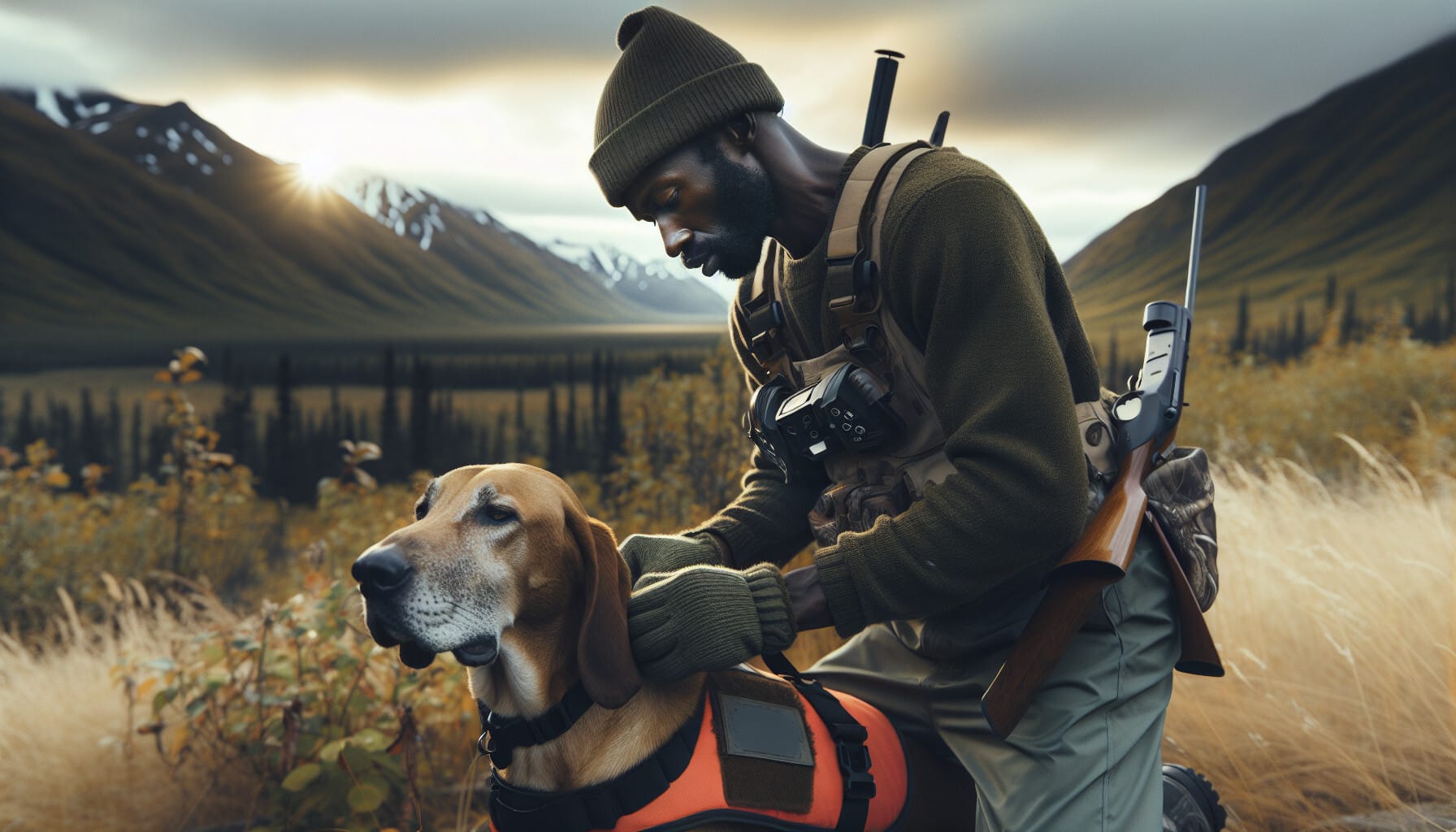


Hunting with hounds offers a unique and exhilarating experience, taking hunters to remote locations and into challenging situations. While there are numerous risks for hunters, the safety of the dogs is paramount; every hunt carries potential dangers that could have dire consequences.
With over fifteen years of experience hunting with hounds, there has been a fortunate absence of lost dogs. However, many stories exist of unfortunate incidents, prompting a thorough examination of these events to prevent similar tragedies.
Surprisingly, it is often not the dangerous game pursued that leads to mishaps; rather, it is the overlooked hazards or errors made by the dog handler that can mean the difference between life and death.
Cliffs and Caves
The ability of dogs to navigate rugged terrain is remarkable. Throughout the years, many dogs have scaled near-vertical cliffs, sometimes becoming stuck on ledges. There have been instances where hunters had to rappel down to retrieve their dogs.
Rescuing a dog with ropes should be a last resort. Often, dogs can find their own way out of precarious situations. Leaving them momentarily or creating the impression of being abandoned can sometimes encourage self-rescue. It’s advisable to call them out and only use ropes if absolutely necessary.
Tragically, two hounds have lost their lives falling from cliffs—one while chasing a bobcat and another while baying a mountain lion. To mitigate risks in cliff-prone areas, adhere to the following guidelines:
- Avoid unleashing dogs at night in cliff-laden terrain.
- Maintain a safe distance from animals bayed on cliffs unless planning to dispatch them.
Similar caution applies to caves. If dogs refuse to leave, it may be necessary to enter the cave to retrieve them. Essential equipment for such scenarios includes a reliable flashlight, a firearm, and ear protection in case of discharging a weapon in confined spaces.
Water and Ice
During a chase, animals often cross water to evade dogs, which can lead to complications, especially when ice forms over water bodies.
Common narratives from hunters who have lost dogs through ice include situations where the quarry doubled back or jumped into a river. Typically, it is the most determined dogs that venture ahead, leading to tragic outcomes.
Awareness of water hazards in hunting areas is crucial. Frozen water presents significant dangers for both dogs and hunters. If a road is nearby, consider stationing someone in the vehicle to monitor the situation. Modern tracking technology can assist in intercepting dogs heading toward dangerous areas.
Tree Dangers
Being near a tree where a lion or bear is located can be perilous, necessitating a well-communicated plan among the hunting party before releasing dogs. Distractions can lead to poor decision-making.
The plan should prioritize removing any aggressive dogs from the pack, as fights can lead to serious injuries or fatalities. Approach the tree slowly and quietly, observing the animal’s behavior. Maintain a lower elevation to keep the animal calm.
Check the dogs for injuries, as they may have sustained wounds or become entangled. Address any emergencies promptly.
If planning to shoot the animal, securely tie dogs away from the tree to prevent them from being harmed by falling game.
Highways
Hunting near highways poses significant risks. Animals may attempt to confuse dogs by crossing roads, leading to potential accidents.
To enhance safety while hunting around highways, consider the following strategies:
- Anticipate animal crossings.
- Limit the number of dogs released.
- Designate a road guard equipped with a GPS tracking device.
- When parked along a highway, leave the tailgate down and the dog box open for returning dogs.
Many hounds have tragically lost their lives on highways. A dedicated road guard is essential when hunting in these areas.
Strangulation
While hiking with dogs, one hunter experienced a near-fatal incident when a female hound became ensnared in a trap. Fortunately, a tool was available to free her in time.
In areas where traps are set, dogs can easily become caught. It is advisable to remain vigilant with tracking systems and carry cable cutters. If aware of trapping activities, it may be prudent to avoid those areas altogether.
Wolves
Many houndsmen have lost dogs to wolves, a risk that remains prevalent in wolf territories. Thankfully, the number of incidents has decreased due to effective hunting strategies and the ability to manage wolf populations.
To enhance safety in wolf country, implement the following practices:
- Minimize the time between releasing dogs and reaching the tree.
- Utilize GPS tracking to stay close to the chase.
- Always hunt in pairs—one person on foot and another in a vehicle.
- Survey the area for wolf signs before releasing dogs.
Wounded Animals
Emotions can cloud judgment when shooting an animal in a tree. Proper handling of wounded animals is critical.
Stay calm and assess the situation before acting. Ensure dogs are secured away from the tree to prevent conflicts with the injured animal. If an animal escapes, have someone track it without the dogs until it is safe to release them again.
Conclusion
Hunting with hounds presents inherent risks, whether in civilized areas with highways or remote backcountry with wild animals. From the moment dogs are unleashed until they reach the tree, hunters have limited control over events. It is essential to make informed decisions and minimize risks to ensure the safety of both dogs and hunters.