
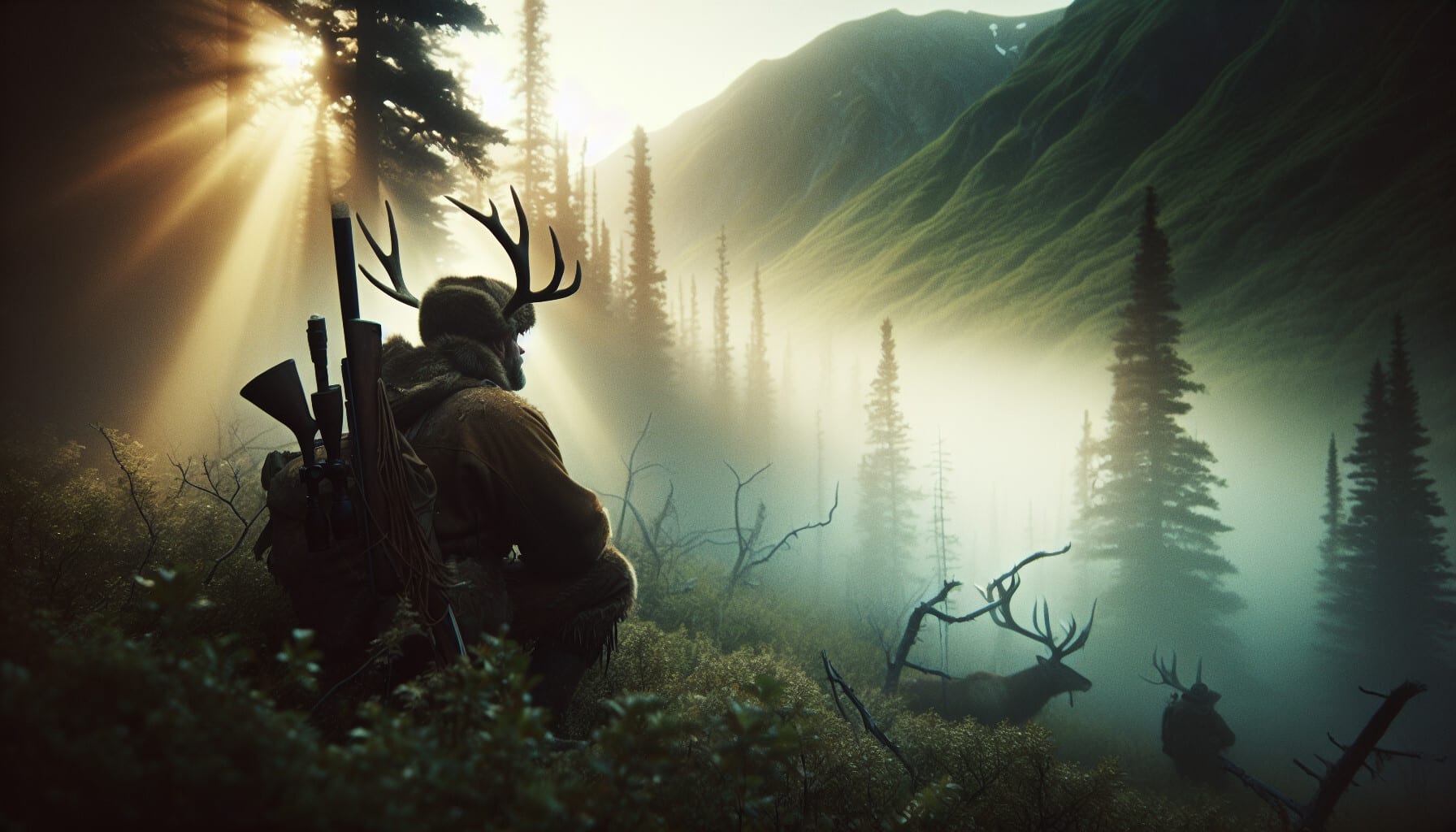


Hunting in Alaska: How Far is Too Far for Success?
Hunting in Alaska presents unique challenges and opportunities, especially when it comes to determining the optimal distance for a successful hunt. Understanding the dynamics of distance in relation to hunting success is crucial for both novice and experienced hunters.
Understanding Distance in Alaskan Hunting
In Alaska’s vast wilderness, the distance from which a hunter engages their target can significantly impact the outcome. Factors such as terrain, weather conditions, and animal behavior must be considered.
- Terrain: The rugged landscape can affect visibility and shot accuracy.
- Weather: Wind and precipitation can alter the effectiveness of long-range shots.
- Animal Behavior: Understanding how animals react to distance is key.
Optimal Shooting Distances for Different Game
Different species require different approaches. Here are some guidelines:
- Elk: Shots should ideally be within 300 yards to ensure accuracy and ethical hunting.
- Moose: A range of 200-400 yards is effective, depending on the hunter’s skill level.
- Bear: Close encounters are often best, with distances under 100 yards preferred.
Equipment Considerations for Long-Distance Hunting
Choosing the right equipment is essential for long-range shooting. Key considerations include:
- Rifles: Opt for a rifle with a suitable caliber for the game.
- Scopes: High-quality optics can improve accuracy at longer distances.
- Ammunition: Select ammunition designed for long-range performance.
Common Pitfalls to Avoid
Hunters should be aware of common mistakes that can lead to unsuccessful hunts:
- Overestimating Distance: Use rangefinders to avoid miscalculations.
- Ignoring Wind Conditions: Wind can significantly affect bullet trajectory.
- Neglecting Practice: Regular shooting practice is vital for maintaining accuracy.
Seasonal Timing and Optimal Conditions
Timing your hunt can greatly influence success rates. The best times to hunt in Alaska vary by species:
- Elk: Early fall is ideal as they are more active during the rut.
- Moose: Late September to early October is prime time for moose hunting.
- Bear: Spring offers the best opportunity as bears emerge from hibernation.
Conclusion: Making Informed Decisions for Successful Hunts
Ultimately, the decision on how far to shoot in Alaska depends on various factors, including the type of game, environmental conditions, and individual skill level. By understanding these elements and preparing adequately, hunters can enhance their chances of success while ensuring ethical practices.
Hunters are encouraged to continually educate themselves and adapt their strategies to the unique challenges presented by Alaska’s wilderness.