
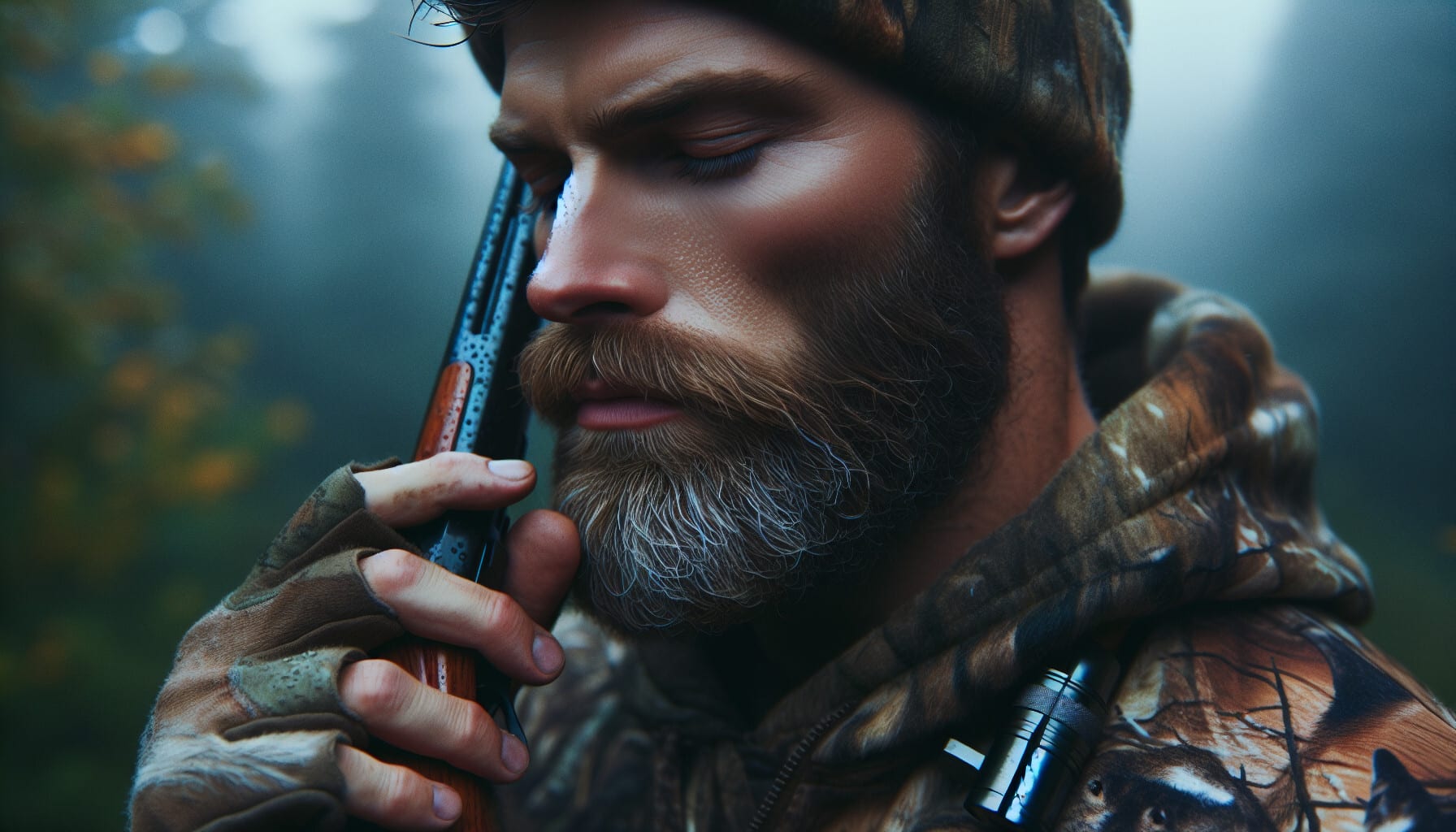
Having the best gear, the right optics, a coveted tag, a solid hunting plan, or even an experienced guide means little if a hunter falters mentally during challenging conditions. The mental aspect of hunting can either make or break the experience, particularly on demanding backcountry hunts. It often requires summoning the strength to push over that next ridge when fatigue sets in, glassing from dawn until dusk despite not spotting anything, or maintaining focus after a missed opportunity.
Persistence is the most effective tactic a hunter can possess. Without mental fortitude, even the most determined persistence can falter at the first obstacle. As a hunting guide, the observation of various hunters has highlighted this truth. Fit individuals sometimes give up, while those in less optimal shape continue to push forward. Witnessing grown men become disheartened after a miss, opting to forgo further attempts for redemption, is not uncommon. Conversely, some clients have missed multiple opportunities, only to succeed on the final evening after enduring the grind.
Individuals often freeze, break down, make excuses, or give up—even on hunts that are well within their physical capabilities. The common thread among these experiences is a lack of mental strength. A negative mindset can be a hunt-killer, leading hunters to underestimate their abilities and focus on the “I can’t” instead of the “I can.” This mental shift can quickly derail their efforts.
Mental toughness and grit extend beyond the hunting realm. Consider David Wise, an athlete who has harnessed his grit to secure two Olympic gold medals and is preparing for a third. He applies the same mindset to his backcountry bowhunts, maintaining focus and determination.
Understanding Grit in Hunting
Grit can manifest as a positive mental attitude, mental strength, or resilience. It is not merely a personality trait but a learned behavior, a skill honed through practice. Grit embodies the willingness to persevere and exert maximum effort, even when faced with challenges.
The most successful athletes share a common trait: extreme mental fortitude. Many talented individuals fail to reach the pinnacle of their sport, while those with a strong work ethic and determination often claim victory.
Regardless of the endeavor, if one cannot visualize the goal, perseverance wanes. The ability to see success in one’s mind is critical to maintaining motivation.
Big bulls are elusive; failing to prepare mentally can jeopardize both the odds and the overall experience.
The Impact of Positivity on Hunting
Consider the implications of lacking a positive mental attitude during a once-in-a-lifetime hunt. Imagine investing significant time and effort into a 10-day expedition, only to find yourself on day six without any sightings. It’s easy to spiral into negativity: “There are no big bulls here. I wasted my points. What am I doing out here?”
This mindset can become a self-fulfilling prophecy. When hunters believe they won’t see anything, their focus diminishes. Fatigue sets in, and they become less inclined to exert effort, ultimately diminishing their chances of success.
Conversely, maintaining a belief that big bulls are present—even if they haven’t been spotted—can significantly alter the hunting experience. A positive mindset encourages continued effort and enjoyment of the journey, regardless of the challenges faced.
For example, during a dream hunt for Stone sheep in British Columbia, adverse weather delayed the trip. After finally reaching the hunting area, weeks passed without spotting a legal ram. Despite the frustration, maintaining a positive outlook led to diligent glassing. On the final day, a ram was spotted, demonstrating the importance of mental resilience.
The question remains: how can one maintain a positive mental attitude when circumstances are unfavorable? Here are five actionable strategies:
1: Expect It
The excitement of a new hunting area often fuels motivation. However, as the hunt progresses, it can be easy to lose that initial enthusiasm. Continuously visualizing success—believing that the next ridge might yield a sighting—can keep motivation high. Self-motivation is crucial; it helps maintain focus and drive.
2: Embrace the Suck
Reflecting on past hunting experiences often reveals that the most memorable moments were fraught with difficulty. Embracing hardship can foster resilience. Instead of lamenting challenges, recognize them as integral parts of the adventure. A positive mindset can transform difficult moments into valuable experiences.
3: Your Friend KIP
A client once faced disappointment after missing an elk. Instead of giving up, he was encouraged to “Keep It Positive.” This mantra became a source of motivation. Maintaining a positive outlook can be a conscious choice that influences the entire hunting experience.
4: Be the Hype Man
Group dynamics can significantly affect the hunting experience. A positive, encouraging presence can uplift the entire party. Reminding fellow hunters of their potential and the journey’s value can enhance morale and foster resilience.
5: The Journey, Not the Result
High-pressure expectations can detract from the enjoyment of the hunt. Focusing on the journey rather than the outcome allows hunters to appreciate every moment, making it easier to persevere through tough times.
The Skill of a Positive Attitude
Often, a positive attitude is viewed as a byproduct of feelings rather than a skill cultivated through intentional thinking. Like any skill, it requires practice and dedication. Visualizing success, embracing challenges, and focusing on the journey can significantly enhance the hunting experience.
When a hunter maintains a positive mental attitude, they are more likely to hunt harder, stay longer, and ultimately enjoy the experience more. The most effective backcountry hunters possess the ability to sustain positivity, making it one of the most critical assets to bring on any hunt.

