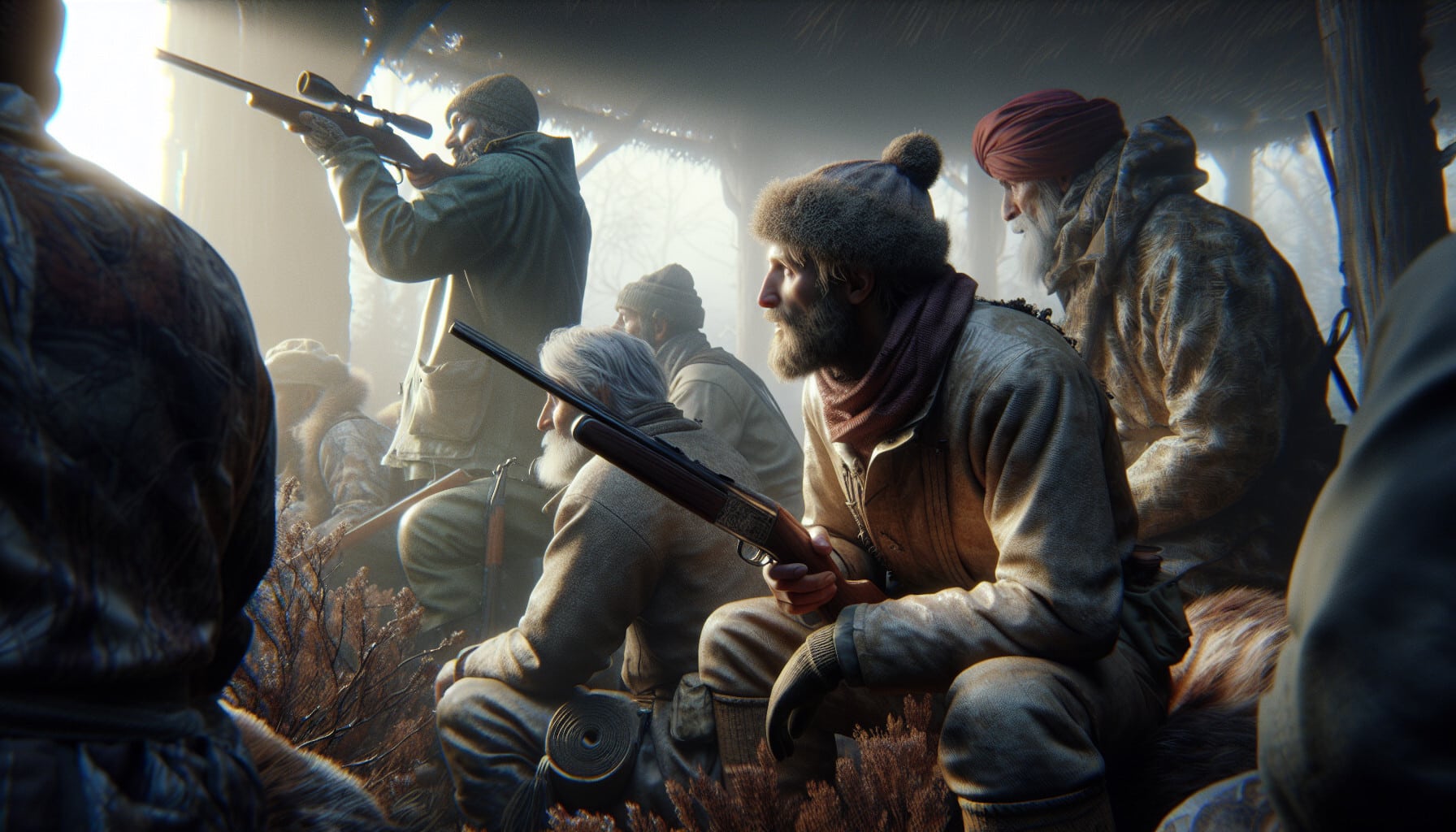
In bow hunting, the wind plays a crucial role in determining success. For optimal results, the wind must be from the west or north. However, during October, warmer weather often brings south, southwest, and even east winds. Recently, when a cool northern breeze arrived, it was time to head to the favorite bow stand.
Wind can swirl unpredictably, carrying scent in unwanted directions. Additionally, blustery weather can make deer, particularly bucks, jittery. After settling in for an afternoon hunt, the wind unexpectedly changed direction. Despite initial close encounters with does and fawns, the deer quickly detected human scent and fled. This experience highlights the importance of wind awareness; staying longer in such conditions could further spook deer and damage the hunting location.
No weather condition frustrates deer hunters more than the wind. It may seem ideal when setting up on a treestand or beginning a stalk, but it can shift at any moment, compromising scent control.
To mitigate this, tying a piece of sewing thread to the treestand and bow or gun can help monitor wind changes. Wind-checkers that release powder into the air are also effective. Being aware of wind shifts allows hunters to adapt by relocating or even deciding to call off the hunt if necessary.
Strong gusts can also make bucks more cautious. When leaves are still on trees and the wind causes branches to sway, deer tend to be more wary and less active. A study by the Boone and Crockett Club indicated that most record book trophies are harvested when wind speeds are 10 mph or less.
Occasionally, wind can be advantageous. It can prevent a “scent pool” from forming around the treestand. If the wind blows steadily from one direction, hunters can trust that their scent will not reach approaching deer, provided they are aware of the likely deer approach paths.