
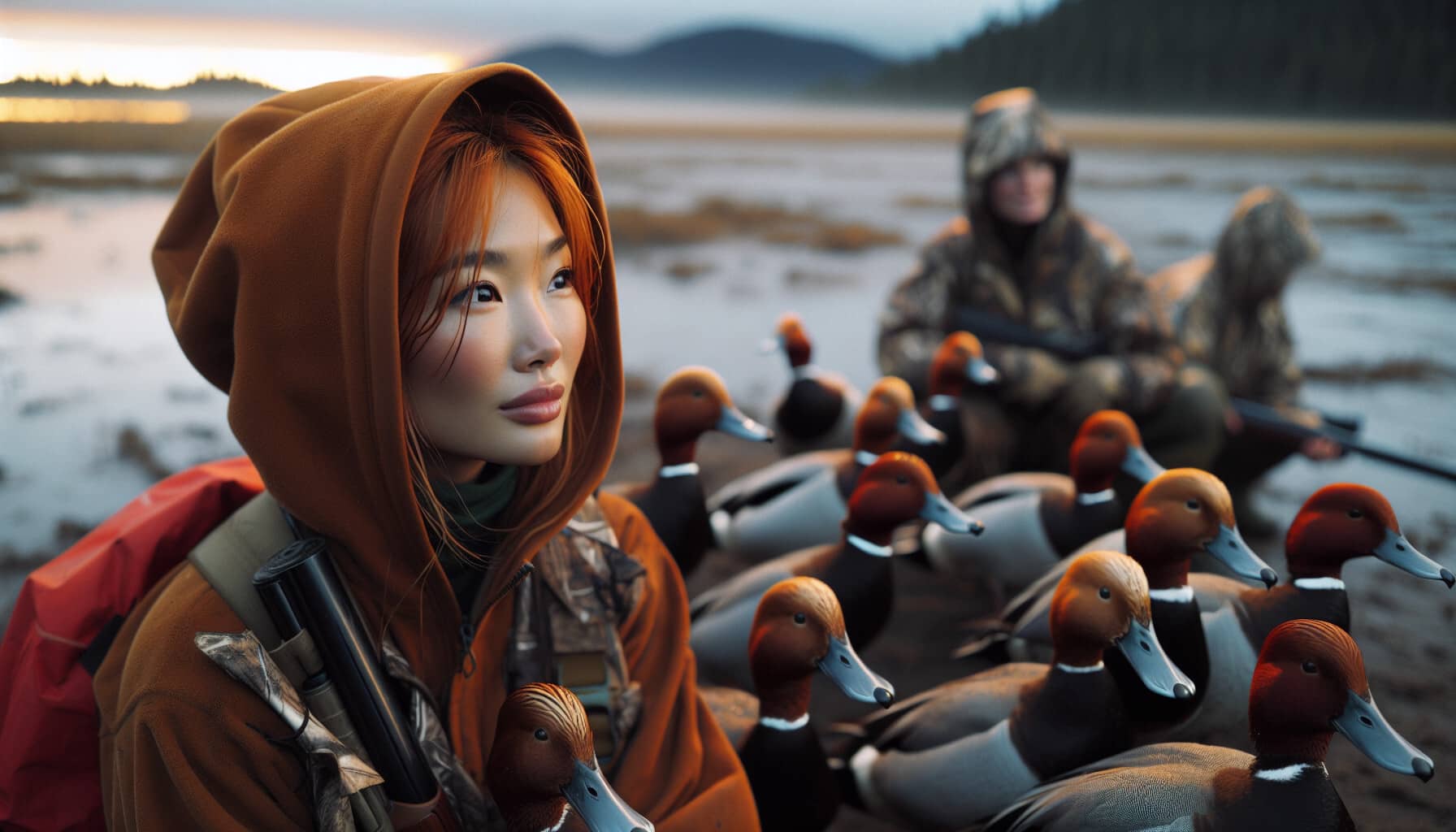


Hunting Redhead Ducks in Alaska: Essential Guide for Enthusiasts
Hunting redhead ducks (Aythya americana) in Alaska presents a thrilling opportunity for waterfowl enthusiasts. Known for their striking appearance and unique behaviors, redheads are a sought-after species among hunters. This guide will provide comprehensive insights into their biology, habitat, hunting techniques, and conservation considerations, ensuring a successful and responsible hunting experience.
Understanding Redhead Ducks: Biology and Behavior
Redhead ducks are medium-sized diving ducks characterized by their rounded heads and distinctive coloration. Males display a striking red head and a gray body, while females are more subdued in color, featuring a brownish hue. Understanding their behavior is crucial for successful hunting:
- Diving Habits: Redheads dive for food, primarily feeding on aquatic plants, seeds, and invertebrates.
- Migration Patterns: They migrate south for winter, making Alaska a prime location during the fall hunting season.
- Breeding Behavior: Nesting typically occurs in marshy areas, which are also critical habitats for hunters to understand.
Optimal Hunting Conditions for Redhead Ducks in Alaska
Timing and conditions play a significant role in hunting success. Here are key factors to consider:
- Season: The best time to hunt redhead ducks in Alaska is during the fall migration, typically from late September to early November.
- Weather: Overcast days can enhance visibility and increase hunting success.
- Location: Focus on wetlands, lakes, and rivers where redheads are known to congregate.
Essential Gear for Hunting Redhead Ducks
Equipping oneself with the right gear is vital for a successful hunt. Consider the following:
- Firearms: A shotgun with a gauge of 12 or 20 is recommended for effective shooting.
- Ammunition: Use non-toxic shot, as it is required in many areas to protect the environment.
- Decoys: Employ realistic decoys to attract redheads, particularly during the early morning or late afternoon.
- Camouflage: Wear appropriate clothing that blends with the natural surroundings to avoid detection.
Conservation Considerations for Redhead Duck Hunting
Responsible hunting practices are essential for the conservation of redhead ducks and their habitats. Key considerations include:
- Regulations: Familiarize yourself with local hunting regulations and seasons to ensure compliance.
- Habitat Preservation: Avoid disturbing nesting areas and contribute to habitat conservation efforts.
- Ethical Hunting: Practice fair chase principles and ensure humane treatment of wildlife.
Frequently Asked Questions About Hunting Redhead Ducks
What is the best time of day to hunt redhead ducks?
The early morning and late afternoon are typically the most productive times for hunting, as redheads are more active during these periods.
How can I improve my chances of success?
Scout locations prior to the hunt, use effective calling techniques, and ensure your gear is in top condition to enhance your hunting experience.
Are there specific regulations I should be aware of?
Yes, hunters must adhere to state and federal regulations regarding hunting seasons, bag limits, and required permits. Always check the latest guidelines.
Conclusion: Embracing the Thrill of Redhead Duck Hunting
Hunting redhead ducks in Alaska offers a unique blend of challenge and excitement. By understanding their biology, optimizing hunting conditions, equipping with the right gear, and adhering to conservation practices, enthusiasts can enjoy a rewarding experience while contributing to the sustainability of this remarkable species.