
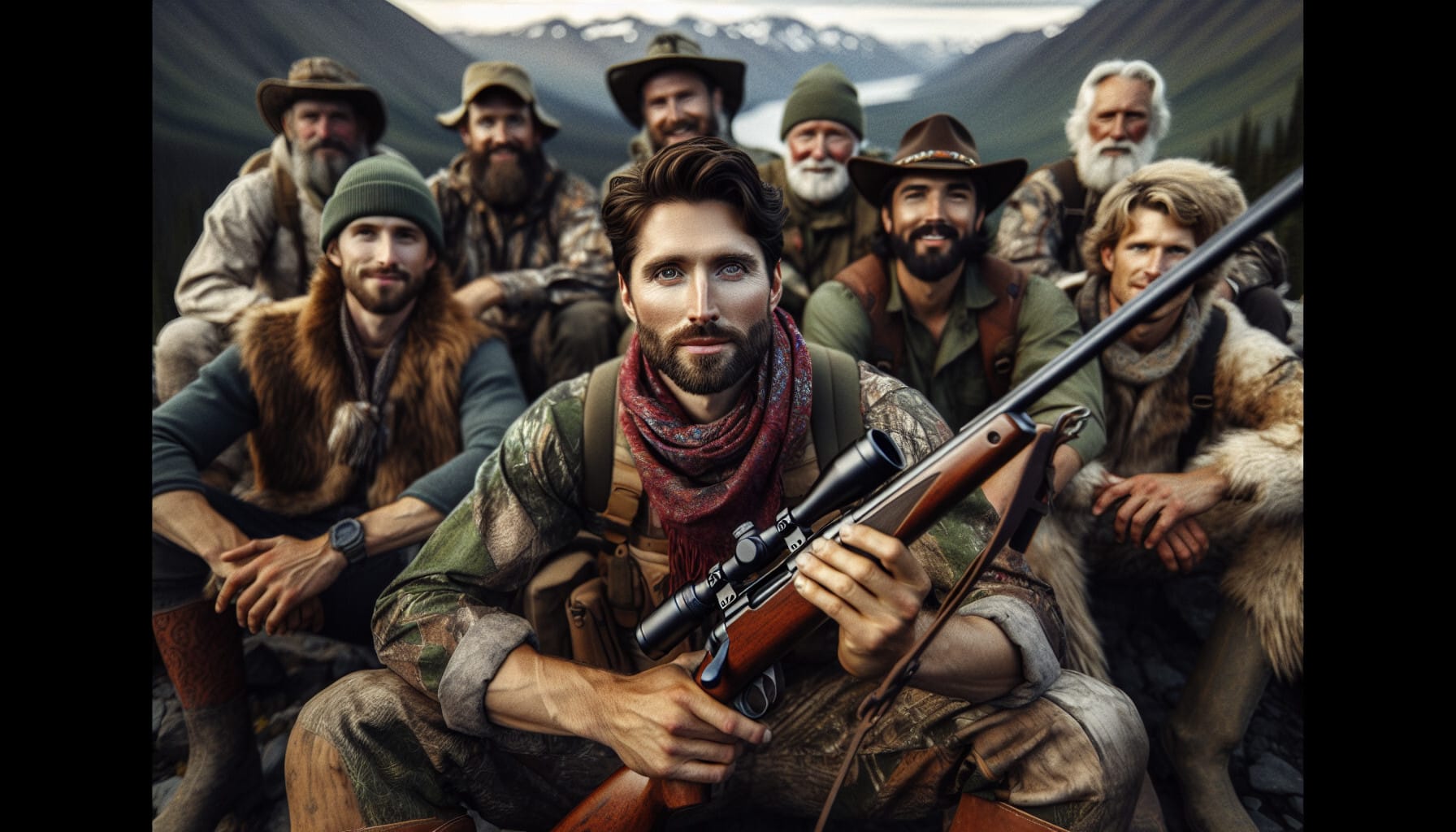
Most rifle shooters understand that consistent practice at the range is essential for becoming a competent marksman. However, many face challenges in finding time to shoot due to family commitments and work obligations. This often results in less preparation and fewer opportunities to hone their skills.
Fortunately, there are numerous preparations and practices that can be undertaken during off-time to enhance shooting proficiency. Here are some strategies to maximize valuable range time when the opportunity arises.
Choose the Right Caliber for Your Rifle
One of the most critical steps to improving shooting skills is selecting a quality rifle in a manageable caliber. The rifle serves as the foundation for marksmanship.
While owning a high-caliber rifle may seem appealing, if it is difficult to shoot accurately or is excessive for the game being hunted, it offers little advantage.
Your choice of rifle caliber should be based on personal physical stature, sensitivity to recoil, and the type of game pursued. For inexperienced shooters, opting for a lighter recoil caliber can be beneficial, allowing for skill development before transitioning to heavier calibers.
Ultimately, developing good shooting habits is nearly impossible if the chosen caliber induces flinching. A manageable rifle fosters better shot placement, leading to more accurate shooting.
Ensure Proper Rifle Fit
Proper fit is nearly as crucial as selecting the right caliber. A well-fitted rifle minimizes felt recoil, enhances sighting speed, and prevents awkward shooting positions. Many hunters unknowingly use rifles that do not fit them correctly, placing themselves at a disadvantage.
To achieve the correct length of pull and overall fit, shorter individuals might consider youth model rifles or have a gunsmith adjust a standard stock. Conversely, taller shooters may need spacers or different recoil pad systems for optimal fit. It’s essential to wear typical hunting attire during fit evaluations.
Fit encompasses more than just length of pull; some shooters may benefit from adding a cheek pad to align their head with the sight. A slimmer fore end or different grip size can also improve comfort and consistency in technique.
Prioritize Shooting Safety Gear
While accessories alone won’t make a marksman, they significantly contribute to achieving that goal. Quality earmuffs protect hearing, while shooting glasses shield the eyes from backblast. Together, these tools reduce the likelihood of developing a flinch.
Some experienced shooters advocate for recoil pads, like the Cabela’s Rifle Shooter Recoil Pad, even with lighter rifles. The rationale is that minimizing recoil enhances focus on shooting mechanics.
Optimize Your Trigger
Most modern rifles come equipped with decent triggers, but some may require improvement. Investing in an adjustable aftermarket trigger or professional gunsmithing can greatly enhance shooting performance and enjoyment.
Customize Your Rifle Loads
To fully exploit your rifle’s potential, consider reloading your ammunition. While factory ammo has improved, custom loads tailored to your specific rifle often yield superior performance, typically grouping better than factory options.
Understanding your rifle’s preferred load enhances confidence in shooting, allowing for increased familiarity with its trajectory and wind effects.
Practice Various Shooting Positions
Regardless of gear or modifications, every shooter can improve their technique. The best marksmen continually strive for advancement, knowing that solid shooting positions are fundamental to accuracy.
Invest time in learning and practicing various shooting positions—sitting, kneeling, prone, and standing—using an unloaded rifle. Ensure that no ammunition is accessible during practice, and always treat the firearm as if it were loaded.
Familiarize yourself with the use of bipods, shooting sticks, and slings to enhance stability and comfort.
Incorporate Dry Firing to Enhance Skills
Alongside practicing shooting positions, integrating dry firing into your routine is an effective way to improve skills. This technique involves simulating firing a firearm without ammunition, allowing for practice of shooting mechanics.
Focus on developing a consistent shot sequence, including hand positioning, grip, breathing technique, cheek weld, sight alignment, trigger press, and follow-through. Consistency is crucial for building muscle memory and overcoming flinching.
Maintain Physical Fitness
While shooting may not seem physically demanding, maintaining fitness is advantageous. Good physical condition allows for comfortable shooting positions, easier breathing, and calmness under pressure—beneficial traits in hunting and daily life.
While none of these practices replace actual shooting at the range, they build confidence and familiarity with your rifle and shooting technique. With these qualities, one can significantly improve shooting skills long before reaching the range.

