
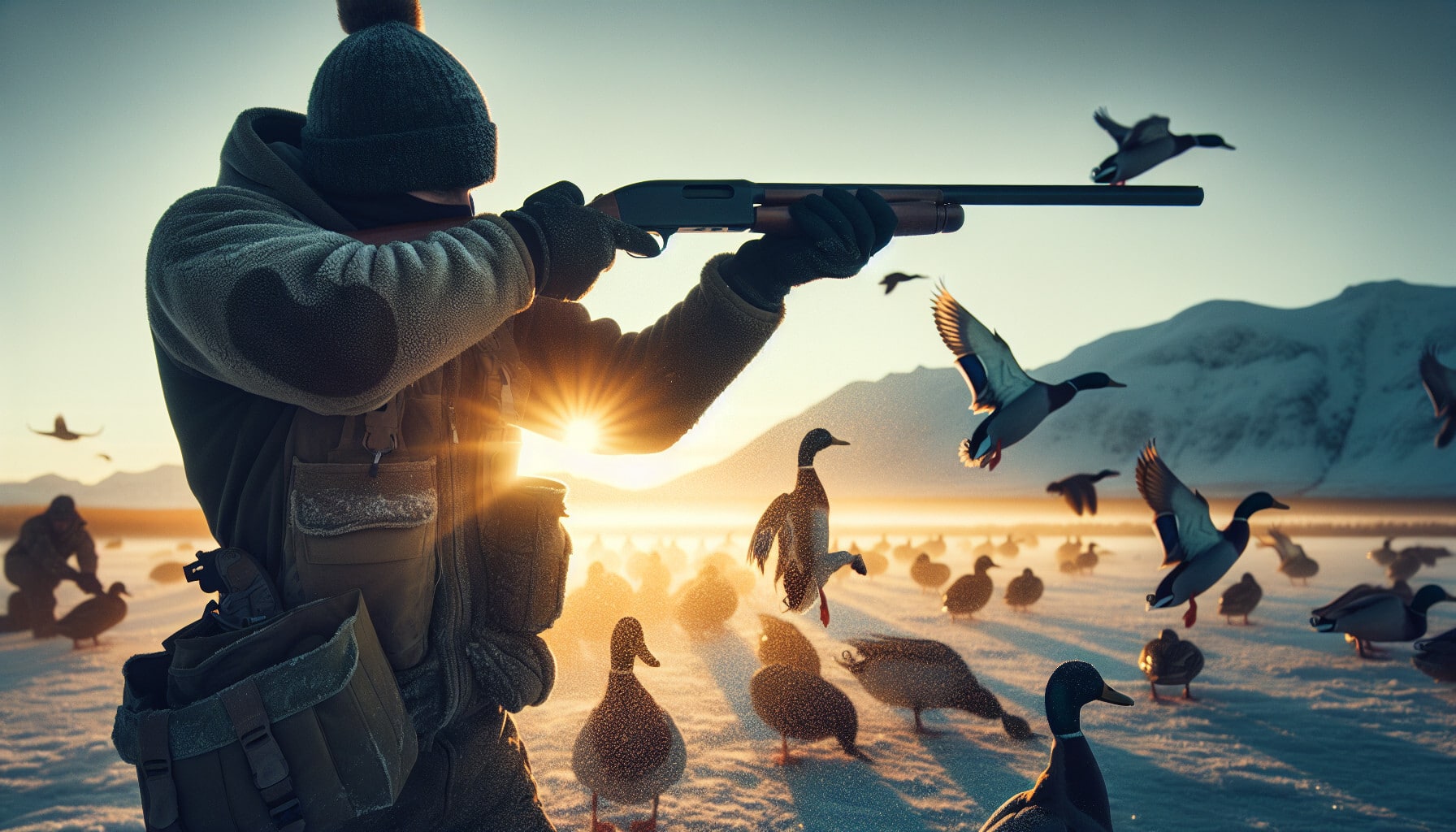


Master the Art of Jump Shooting Ducks in Alaskan Winters
Jump shooting ducks in the frigid Alaskan winters requires skill, strategy, and an understanding of the unique environment. This guide provides essential insights to help both novice and experienced hunters excel in this challenging pursuit.
Understanding Jump Shooting in Alaska
Jump shooting involves surprising waterfowl in their natural habitat, typically along lakes, rivers, or marshes. This method is particularly effective in Alaska’s winter landscape, where frozen conditions create specific hunting opportunities.
Optimal Conditions for Jump Shooting
- Weather Factors: Mild winter days with minimal wind are ideal for jump shooting. Overcast conditions can also enhance visibility.
- Water Conditions: Focus on areas where water is still open, especially near ice edges or in pockets of unfrozen water.
- Time of Day: Early mornings and late afternoons are prime times for waterfowl activity.
Essential Gear for Winter Jump Shooting
Equipping oneself with the right gear is crucial for success in winter jump shooting. Here are the key items to consider:
- Firearm: A reliable shotgun, preferably 12 or 20 gauge, is recommended for its versatility.
- Ammunition: Use non-toxic shot, such as steel or bismuth, to comply with regulations and ensure ethical hunting.
- Clothing: Insulated, waterproof clothing is essential to stay warm and dry in harsh conditions.
- Decoys: While jump shooting typically requires fewer decoys, having a few can help attract ducks to your area.
Techniques for Effective Jump Shooting
Successful jump shooting relies on stealth and timing. Here are some expert techniques:
- Approach Quietly: Move slowly and quietly to avoid alarming ducks. Stay low to the ground and use natural cover.
- Identify Duck Locations: Look for signs of waterfowl, such as tracks or droppings, to determine where to set up.
- Be Ready: Anticipate the ducks’ movements and be prepared to shoot quickly as they take flight.
Common Pitfalls to Avoid
Even experienced hunters can fall prey to common mistakes. Here are some pitfalls to watch out for:
- Overexposure: Avoid being too visible. Use natural cover effectively to conceal your presence.
- Noise Discipline: Keep noise to a minimum. Avoid talking or making unnecessary sounds that could scare away ducks.
- Inaccurate Shooting: Practice shooting before the season to ensure accuracy, especially in varying winter conditions.
Conclusion: Elevate Your Jump Shooting Skills
Jump shooting ducks in Alaskan winters is a rewarding challenge that requires preparation and skill. By understanding the environment, using the right gear, and employing effective techniques, hunters can enhance their success and enjoy the unique experience of winter waterfowl hunting.