
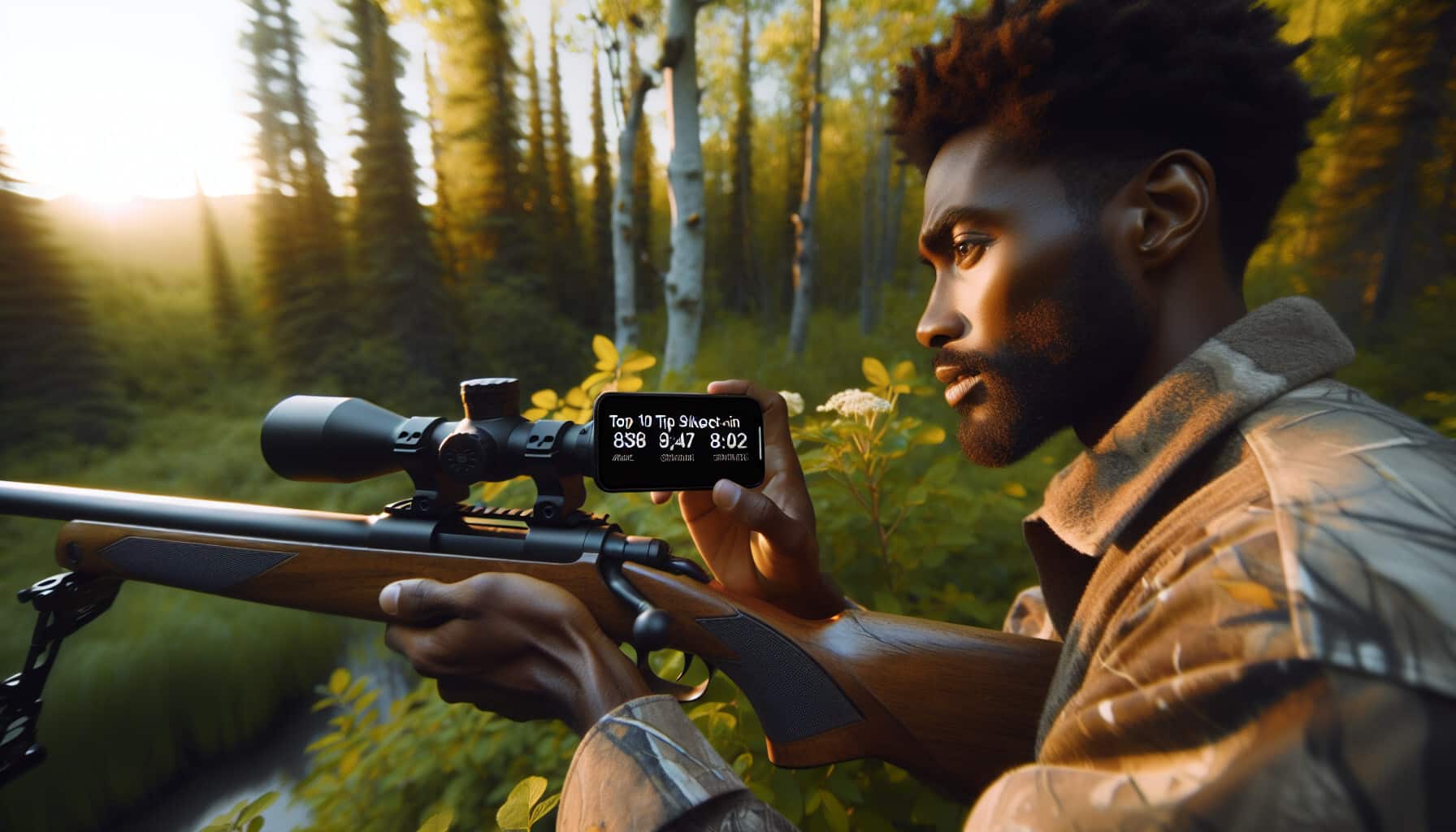
Sighting-in a rifle is a straightforward process when following essential steps. However, there are additional techniques that can simplify this task, especially for Alaskan hunting conditions.
1. Follow Manufacturer’s Break-In Procedures
If sighting-in a new rifle, adhere to the manufacturer’s break-in procedures to prevent permanent damage to the barrel’s rifling from copper fouling. These guidelines may vary regarding the number of rounds to fire between bore cleanings.
2. Test Different Ammunition Loads
Whether using hand-loaded or factory ammo, bring various types to the range to determine which performs best in your rifle. Once a preferred load is identified for hunting, retain the remaining test ammunition for future sighting adjustments. This is particularly useful after installing a new rifle scope or making modifications.
3. Purchase Ammo from the Same Lot
Variations in powder, brass, and primers among different boxes of the same mass-produced ammo can lead to significant differences in point of impact. It is advisable to buy at least two boxes from the same lot number to ensure consistency during sighting-in and hunting. The lot number is found inside each box. Additionally, consider purchasing fresh ammo for hunting every couple of years, using older stock for practice.
4. Choose Optimal Weather Conditions
When preparing for an upcoming hunting trip, select a calm day for sighting-in to avoid strong crosswinds that can disrupt groupings. It is beneficial to replicate the atmospheric conditions expected during the actual hunt, such as opting for mild weather before a spring bear hunt.
5. Utilize a Quality Shooting Rest
A reliable shooting rest, such as the Caldwell Lead Sled 3 Shooting Rest, stabilizes the rifle and absorbs recoil during bench shooting. Avoid lengthy sessions, especially with heavy-recoiling calibers, to prevent flinching. If soreness occurs, take a break and reassess any issues rather than continuing in frustration.
6. Allow Your Rifle to Cool
At the range, take your time and allow the rifle to cool between shots. A practical approach is to bring multiple firearms, including a low-recoiling caliber like a .22LR or .22 centerfire rifle, to alternate between shots.
7. Set Up Multiple Targets
When at a public range, set up several shooting targets to minimize downtime waiting for others to change their targets. Investing in a quality spotting scope can also reduce the number of trips downrange to check results.
8. Customize Your Sight-In Process
Each individual’s eyesight is unique, making it essential for hunters to personally sight-in their rifles to ensure optimal performance.
9. Confirm Alignment After Transport
Once the rifle is sighted-in for an upcoming hunt, particularly one involving air travel, use the same boresighter to verify alignment upon arrival at the hunting camp. Even if the boresighter indicates proper alignment, it is crucial to fire a few test shots to confirm accuracy. Changes in elevation can affect point of impact; for example, a rifle sighted-in at sea level may shoot higher at higher altitudes.
Good hunting.

