
One of the most impressive shooting performances witnessed in duck hunting came from an unexpected source.
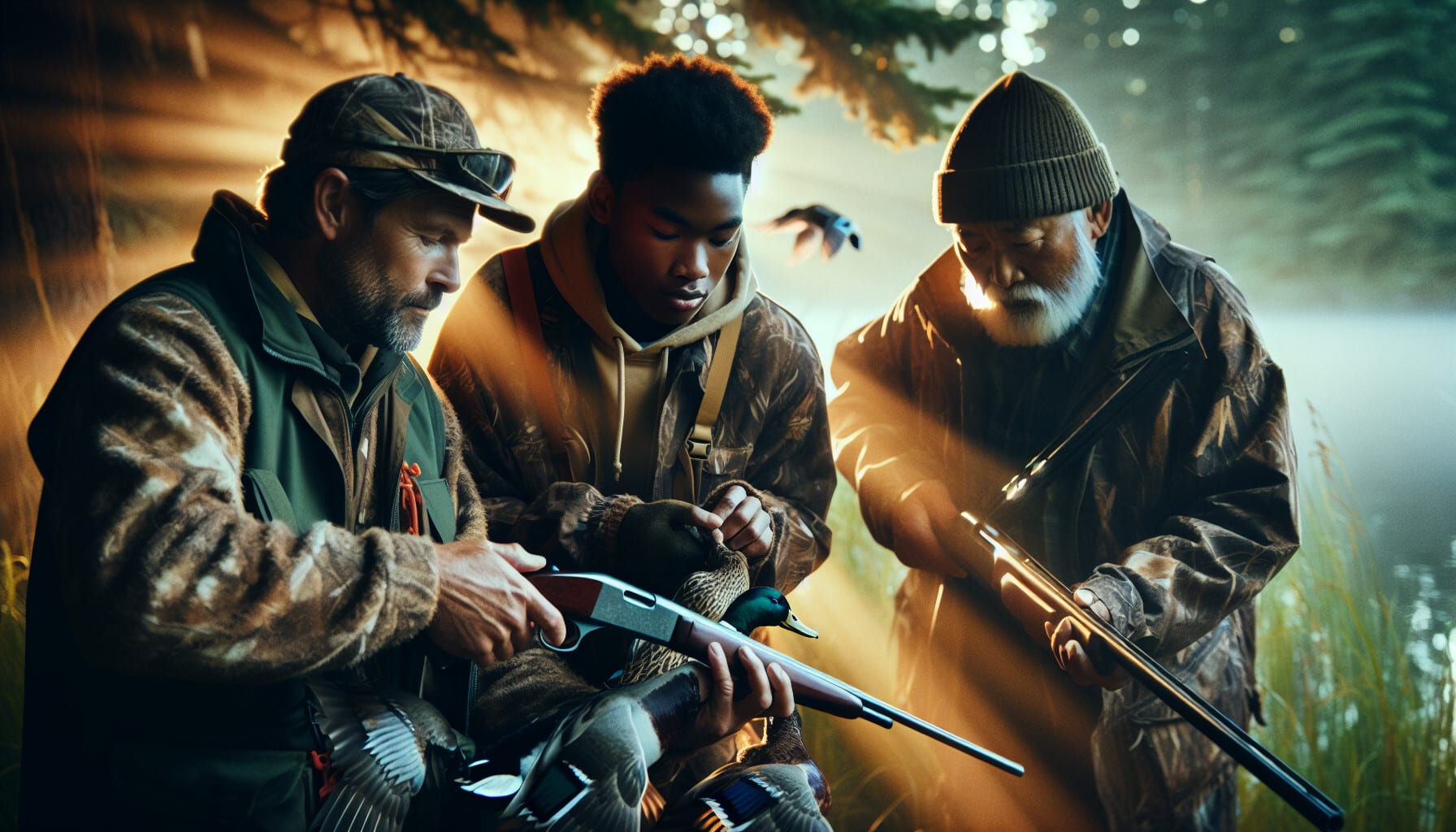
It was Youth Waterfowl Day in Tennessee. Thirteen-year-old Rob Clouser was in a hunt club blind with two friends and three adult chaperones. The excitement was palpable as legal shooting hours commenced and ducks began to fly.
Several factors contribute to being an effective waterfowl shot, with patience being paramount.
“Here come a couple,” Rob said eagerly. I spotted two mallard drakes passing over the decoys at 45 yards—a challenge even for seasoned adult wingshots. However, it was youth day, and Rob was eager to take his shot.
“Give ’em a try,” I encouraged.
Tip: Duck Hunting Success in Any Weather
Rob rose from his shooting position, aimed at the first duck, and fired, dropping it instantly. He then targeted the second mallard, firing again and bringing it down as well. Unbelievable!
“Great shooting,” I praised Rob, who shrugged as if to say, “Wasn’t that what I was supposed to do?”
Some shooters, like Rob, possess natural talent, exhibiting exceptional hand-eye coordination. They swing a shotgun with the finesse of a golf pro or a major league baseball player.
For most, however, consistently hitting ducks can be challenging and frustrating. Many hunters expend a box of shells just to bag a limit. Mastering the skill of mounting a shotgun, maintaining proper lead, and hitting a flying target requires practice.
Consistently bagging ducks is a learned skill, akin to any athletic endeavor. While natural talent is advantageous, even those with mediocre ability can develop proficiency through preparation, qualified instruction, and dedicated practice. A structured improvement plan is essential for success.
Here are ten tips for increasing duck hunting success with fewer shots:
1. Use a Shotgun That Fits
Many hunters overlook the benefits of a fitted shotgun. Purchasing a gun off the shelf without considering measurements such as pull length and drop at comb can hinder performance. A poorly fitting shotgun is harder to aim and control. When acquiring a new shotgun, consult a gunsmith for proper fitting. If using an existing waterfowl gun, have the stock adjusted for a snug fit, especially while wearing bulky hunting attire.
2. Test Your Shotgun’s Pattern With Various Loads and Choke Combinations
Set up a pattern board with a life-size duck or goose image at the center. From 40 yards, shoot at the image using different chokes and loads. This process reveals which combination performs best, helps visualize the size of the target at distance, and builds confidence in the shotgun’s capabilities.
Tip: Patterning Your Shotgun for Ducks
3. Head to the Skeet Range and Engage an Instructor
Skeet shooting provides excellent practice for the types of shots encountered in waterfowl hunting. Consider hiring a shooting instructor or seeking advice from an experienced skeet shooter. Start on an easier station and practice until consistently breaking clays. Follow your instructor’s guidance on shotgun mounting, lead, and follow-through. Frequent practice will enhance comfort and effectiveness.
4. Don’t Rush Your Shots
A common mistake among inexperienced hunters is shooting too quickly. Take the time to mount the gun, track the target, and squeeze the trigger at the right moment. A fitted shotgun, focus on a single target, and patience will improve hit rates.
5. Focus on Your Target Bird’s Eye
Many beginners make the error of shooting at the entire bird, resulting in missed shots. Instead, concentrate on the bird’s eye as your aiming point. If the eye is not visible, the bird is too far; if it is visible, keep your focus there to improve accuracy.
6. Don’t Try to Compute Lead
While holding the correct lead is crucial, the variables involved are numerous. Instead of calculating lead consciously, allow instinct to guide you. Maintain a proper gun mount, follow the target, and keep the shotgun barrel moving to achieve the necessary lead naturally.
7. On Long Passing Shots, Hold More Lead Than You Think is Necessary
When ducks are crossing at 40 yards or more, err on the side of holding more lead. Most misses occur behind the bird, so aim well ahead, keep the shotgun swinging, and pull the trigger. Trial and error will help establish the proper sight picture for long-range accuracy.
8. Shoot at One Bird at a Time
Beginners often shoot at a flock rather than focusing on a single duck. Aim deliberately at one bird. If it drops, you may then target another. Remember, a double begins with successfully hitting the first bird.
9. When a Duck is Coming Straight In, Aim, Blot it Out, and Fire
Many novice shooters feel intimidated by head-on shots, but these are often the easiest. Aim slightly below the bird, raise the gun into its flight path, and shoot when the barrel blots out the bird. If the duck is descending, aim at its feet for an effective shot.
10. Use a Quality Non-Toxic Load
Today’s premium steel-shot loads are significantly improved and effective for ducks up to 40 yards. Number 2 steel shot is a solid choice for shooting ducks over decoys. For longer ranges, consider non-toxic alloy loads made from tungsten or bismuth, which perform comparably to lead shot but may be cost-prohibitive for frequent shooters.
Improvement in duck shooting skills requires effort and dedication. Preparation and training are far more influential than luck in achieving success.
Rob Clouser’s impressive double on those two mallards years ago was a combination of luck and the benefit of expert instruction. This principle applies to all shooters.
Today, Rob is a confident college student and remains highly effective at duck hunting. When he takes aim, his confidence translates into success.


