
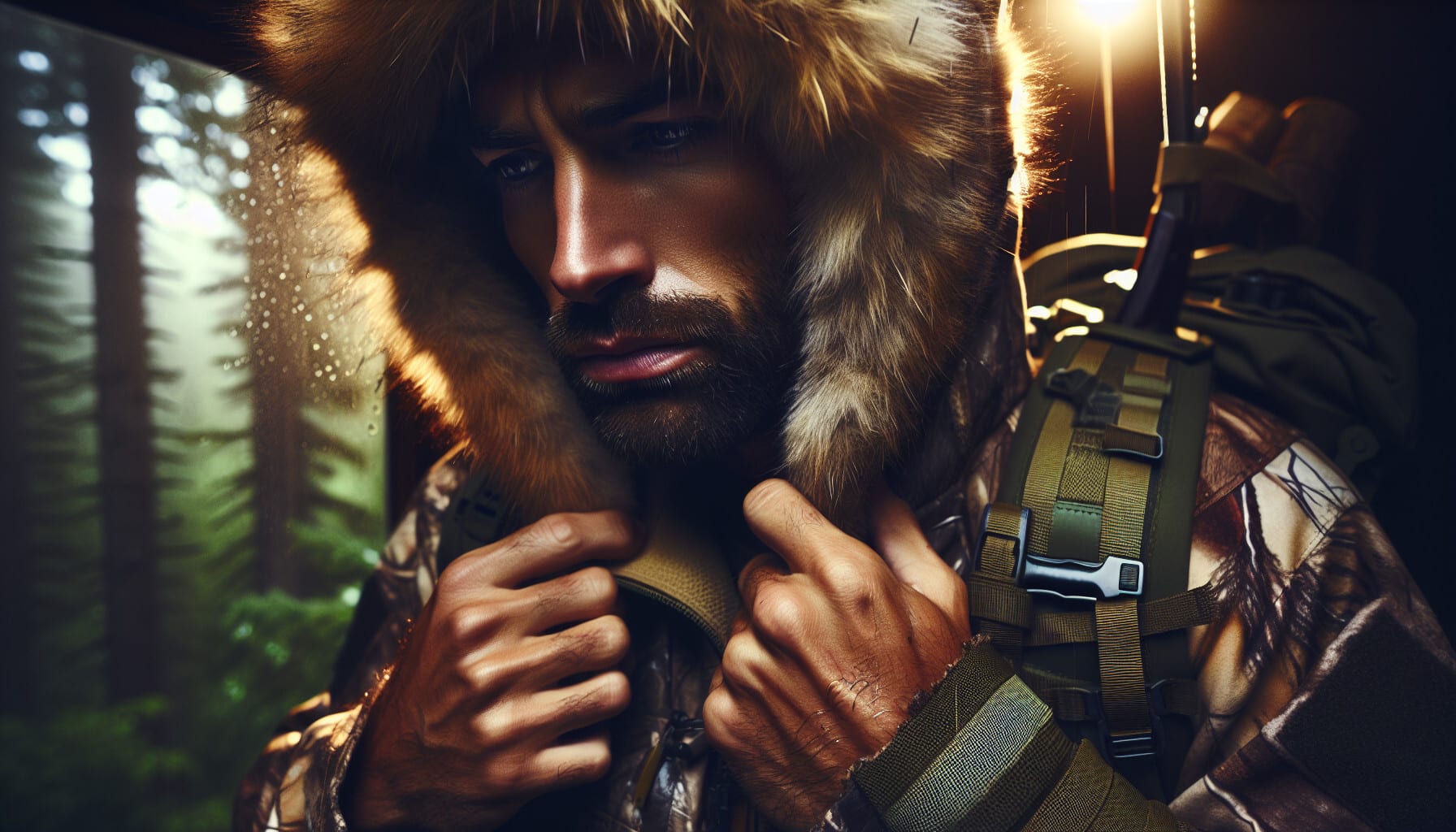


When it comes to staying dry and comfortable during Alaskan hunting adventures, the technology behind waterproof gear is essential. Waterproofing has evolved significantly, offering various levels of protection and breathability tailored to the harsh conditions of the Alaskan wilderness. A standout innovation in this field is the Bone-Dry technology. Available in three tiers—Bone-Dry, Bone-Dry Silver, and Bone-Dry Gold—this technology is designed to meet the diverse needs of hunters, from casual outings to extreme conditions.
What is Bone-Dry?
Bone-Dry is an advanced waterproofing technology that combines specialized waterproof membranes with Durable Water Repellent (DWR) treatments to provide comprehensive protection against the elements. Each tier—Bone-Dry, Bone-Dry Silver, and Bone-Dry Gold—offers different levels of water resistance and breathability, catering to various activities, from casual wear to high-intensity sports. Bone-Dry membranes are engineered to be breathable, allowing moisture vapor to escape while preventing water from penetrating the garment.
How Does Bone-Dry Waterproofing Work?
Membrane Technology
Most waterproof technologies utilize a two-part approach for user protection. The first component is the membrane, which is attached to the exterior fabric of the garment. Bone-Dry, a proprietary membrane, exemplifies this technology and is utilized in many rain garments. This membrane is designed to be breathable, allowing moisture vapor to escape, thereby keeping the user cool while preventing water from penetrating the garment.
Coatings and Treatments
The second component involves applying a Durable Water Repellent (DWR) coating to the exterior fabric. This treatment causes water to bead up and roll off the fabric’s surface, preventing it from soaking in. This not only enhances the waterproof capabilities of the garment but also helps maintain its breathability and comfort. By combining the Bone-Dry membrane with a high-quality DWR coating, rainwear offers robust, long-lasting protection against the elements.
Understanding Bone-Dry’s Levels of Protection
The intended uses of Bone-Dry technology depend on the product tier, each developed to suit different levels of activity and environmental conditions. Understanding these tiers will help in selecting the right garment for specific needs.
Understanding Waterproof Ratings
Waterproof ratings are often expressed in terms like Hydrostatic Head and water column measurement, quantifying the waterproofness of a fabric. These ratings are typically measured in millimeters (mm) and indicate the height of a water column the fabric can withstand before leaking. The expected waterproofness depends on the Bone-Dry tier: Bone-Dry is rated at 10K/10K, Bone-Dry Silver at 20K/20K, and Bone-Dry Gold at 30K/30K. During testing, the 10K fabric held up to 10,000mm of water before soaking through, and similarly for the higher ratings.
| Water Column (mm) | Duration | Weather Conditions |
|---|---|---|
| BONE DRY | 10k | Short duration: Light rain, light snow, light pressure |
| BONE DRY SILVER | 20k | Moderate to prolonged duration: Moderate rain, average snow, moderate to high pressure |
| BONE DRY GOLD | 30k | Prolonged duration: Heavy rain or snow, heavy pressure |
Understanding Breathability
Breathability is a critical metric balanced with waterproofing to ensure comfort. This is measured by the Moisture Vapor Transmission Rate (MVTR), indicating how much moisture vapor can pass through the fabric over 24 hours, expressed in grams per square meter. The waterproof membranes feature microscopic pores that allow heat and water vapor to escape while keeping water molecules out, also providing wind protection. For instance, a 10K rating means that an average of 10,000 grams of water vapor can pass through a square meter of fabric in a 24-hour period. Bone-Dry Silver allows 20K, and Bone-Dry Gold allows 30K, offering progressively higher breathability levels.
| Breathability Rating (g/m²/24hrs) | Usable Conditions | Ideal Activities | |
|---|---|---|---|
| BONE DRY | 10k | Cooler weather conditions, stationary activities | Everyday activity (walking / fishing) |
| BONE DRY SILVER | 20k | Aerobic activities, all weather conditions | Moderate activities (hiking) |
| BONE DRY GOLD | 30k | High-aerobic activities, warmer conditions | More physical activities (intense hiking / running) |
How Long Does Bone-Dry Last?
Bone-Dry technology is designed to last the life of the garment, with effectiveness compromised only by punctures or tears. The durability of the garment primarily depends on the exterior fabric. For example, the Guidewear line uses durable nylon materials engineered to withstand the rigors of tough environments. In contrast, the Ascend rainwear is tailored for hiking and trail activities, offering robust performance in those settings.
How to Maintain Bone-Dry’s High Performance
Proper maintenance is essential to extend the life and effectiveness of waterproof garments. First, it is important to wash rainwear periodically using powder laundry detergent. Avoid liquid detergents and fabric softeners, as these can degrade waterproof properties. After washing, rinse thoroughly to remove any detergent residue.
Over time, the DWR coating on the exterior may wear off, reducing its ability to repel water. To maintain optimal performance, it is recommended to use a wash-in repellent and/or a DWR spray quarterly. Products by Revivex are highly recommended for this purpose.
Even if the exterior DWR coating declines in performance, allowing the fabric to wet out, the waterproof membrane underneath continues to provide the primary layer of protection, ensuring dryness. Regular cleaning and DWR reapplication will help maintain the jacket’s overall effectiveness.
Environmental Impact
Sustainability
Starting in 2024, a significant stride towards sustainability was made by transitioning to PFAS-free membranes and DWRs in Bone-Dry rainwear. PFAS, or polyfluoroalkyl substances, are “forever chemicals” that do not break down in the environment, posing risks to ecosystems and human health. Many states and federal agencies have introduced legislation to ban or limit PFAS in consumer products. By adopting PFAS-free alternatives, the aim is to reduce environmental footprints and contribute to a healthier planet.
Performance Impact
Importantly, the shift to PFAS-free membranes and DWRs has not compromised the performance of Bone-Dry technology. The new DWRs perform just as effectively in repelling water, ensuring that rainwear continues to offer robust protection against the elements. However, these new DWRs have slightly reduced performance under oily conditions, necessitating greater care and maintenance of the exterior of rain jackets.
Final Thoughts
Bone-Dry technology offers a comprehensive solution for staying dry and comfortable during Alaskan hunting adventures, backed by advanced membrane engineering and durable water repellent treatments. Available in three tiers—Bone-Dry, Bone-Dry Silver, and Bone-Dry Gold—this technology caters to diverse needs, from casual wear to extreme outdoor activities. With its combination of waterproof and breathable membranes, fully taped seams, and high-quality materials, Bone-Dry ensures reliable protection and comfort across various conditions.
Furthermore, Bone-Dry’s commitment to sustainability is reflected in its shift to PFAS-free membranes and DWRs, showcasing a responsible approach to environmental and consumer safety. While higher-tier options come at a premium, their superior performance and durability offer long-term value. Positive customer feedback underscores the reliability and effectiveness of Bone-Dry rainwear, making it a trusted choice for those seeking robust protection against the elements.
FAQ: Bone-Dry Waterproofing Technology
What is the difference between water-resistant and waterproof?
Water-resistant fabrics can withstand light rain and moisture but will eventually allow water to penetrate with prolonged exposure. Waterproof fabrics are designed to completely prevent water from passing through, even under significant pressure.
How do I know if a rain jacket is breathable?
Waterproof membranes feature microscopic pores that allow heat and water vapor to escape while keeping water molecules from penetrating. This design provides both waterproofing and breathability.
What do the waterproof ratings (e.g., 10,000mm) mean?
The expected waterproofness depends on the Bone-Dry tier: Bone-Dry is 10K/10K, Bone-Dry Silver is 20K/20K, and Bone-Dry Gold is 30K/30K. These numbers reference the level of waterproofness and breathability. In testing, a 10K fabric held up to 10,000mm of water before soaking through, and similarly for higher ratings.
How often should I reapply DWR to my rain jacket?
It is recommended to use a wash-in repellent and/or a DWR spray quarterly to help revive the exterior DWR.
Can I wash my waterproof jacket in a washing machine?
Yes, but be sure to wash garments periodically with powder laundry detergent. Avoid liquid detergents and fabric softeners.
What should I look for in a rain jacket for hiking versus one for casual use?
For hiking, prioritize features like breathability, lightweight materials, and high waterproof ratings (e.g., Bone-Dry Silver or Gold). For casual use, focus on comfort, style, and basic waterproofing (e.g., Bone-Dry).
Are there eco-friendly waterproofing options available?
Yes, starting in 2024, PFAS-free membranes and DWRs are being used, which are more environmentally friendly.
How do I repair a tear in my waterproof jacket?
Small tears can often be repaired with specialized waterproof adhesive patches or tape. For larger damages, professional repair services are recommended.
Why is my jacket no longer keeping me dry?
This may be due to the exterior DWR coating declining in performance, allowing the fabric to wet out. However, the membrane should still provide the primary layer of protection.
What are the best brands for waterproof rain jackets?
Popular and reliable brands include Gore-Tex, eVent, and proprietary technologies like Bone-Dry used in Ascend and Guidewear rain garments, known for their high-quality waterproofing and breathability.
How does the cost of waterproofing technology affect pricing?
Generally, waterproof garments are more expensive due to additional manufacturing costs and applications of the membranes. Higher-tier Bone-Dry garments (e.g., Bone-Dry Silver and Gold) will typically be more expensive than lower-tier options due to enhanced performance metrics.
Do these waterproof technologies meet industry standards or certifications?
Waterproof technologies meet rigorous testing standards. Note that Gore-Tex has a different testing method, so the 10K/10K rating is seldom seen on these products.
Are there any health or safety concerns associated with these technologies?
All rainwear beginning in 2025 that has Bone-Dry will be PFAS-free, eliminating harmful “forever chemicals.” Some old inventory from before 2025 may still contain PFAS in the DWR coating.
What innovations set this waterproofing technology apart from others?
While membranes may be similar to other manufacturers, the quality can vary. Ascend rainwear, for example, offers a blend of durability and performance suitable for hiking and trail environments.