
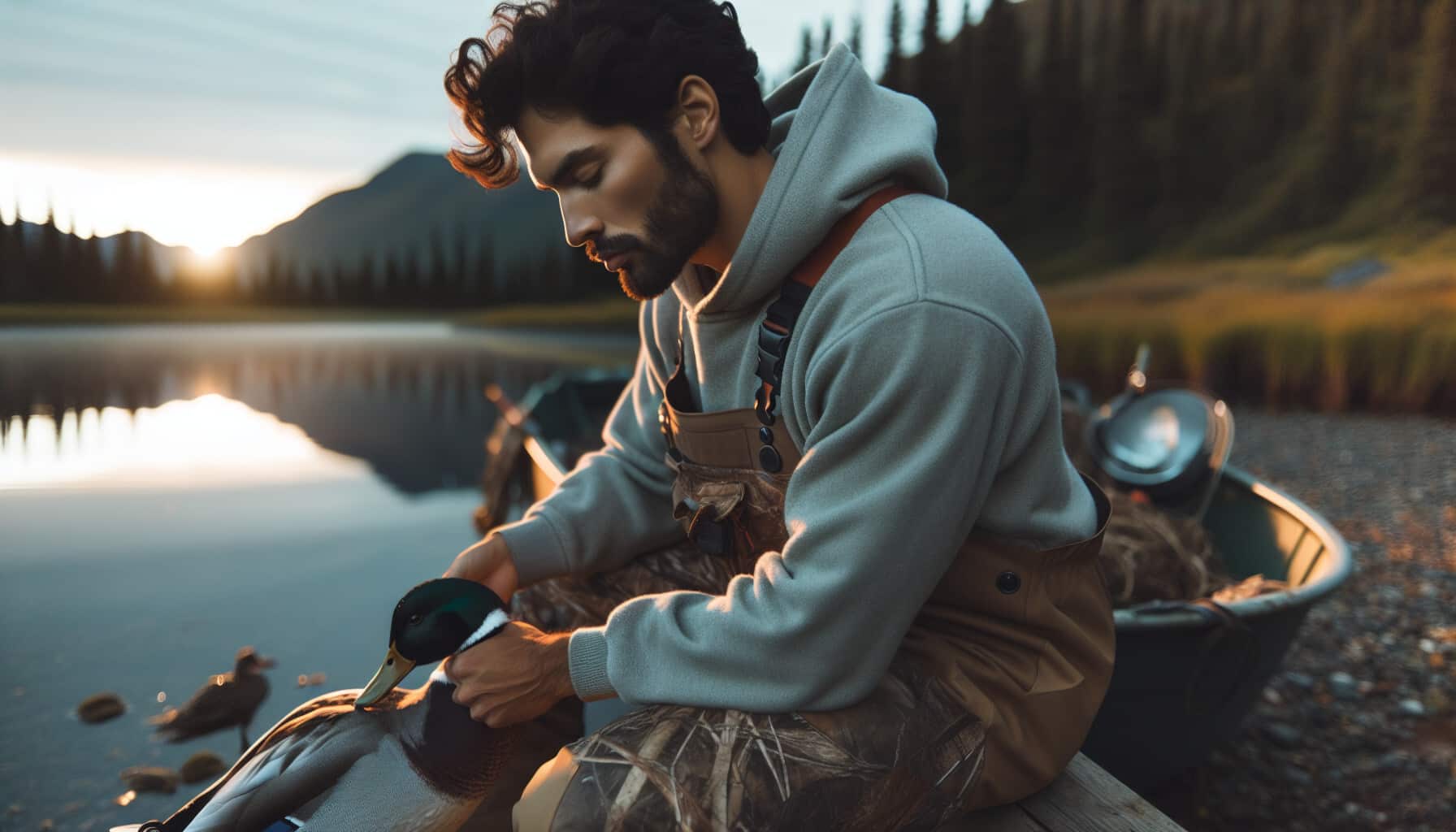
Choosing the Right Waterfowl Waders for Alaska Hunting Conditions
In waterfowl hunting, aside from a shotgun and nontoxic shot, waders are essential tools. They facilitate decoy setup, retrieving downed birds, and navigating sloughs on the way to prime hunting spots. Selecting the appropriate waders tailored to specific hunting conditions is crucial for success.
Waterfowl hunting occurs in diverse climates and environments, making it vital to match waders to individual needs. Key factors in selecting the right pair include understanding the water type (shallow/deep, flowing/standing), the ground conditions (soft/firm, mud/sand), the typical temperature (above/below freezing), and the hunting location (in water/on dry ground). The water depth is a primary consideration, leading to three basic styles: hip, waist-high, and chest waders.
Styles of Waders for Waterfowl Hunting
Hip Boots/Hip Waders
Hip boots are ideal for water depths less than mid-thigh and for navigating muddy terrain. They are easy to put on and take off, offering superior mobility. Typically secured with a waistbelt or belt loop, hip boots are suitable for shallow ponds, creeks, and flooded fields in mild temperatures.
Waist-High Waders
Waist-high waders provide lightweight mobility while allowing hunters to traverse deeper water and muddier ground. Secured with a waistbelt, these waders keep hunters dry even in wet conditions. They are an excellent choice for hunting small rivers and lakes or when sitting in wet locations.
Chest Waders
Chest waders are the most common type, designed to keep hunters dry in deeper water. With shoulder straps for secure fitting, they often include pockets for storing hunting accessories. While they may be less mobile than hip and waist-high waders, their utility in crossing deep water makes them a popular option. It is essential to ensure that chest waders allow for easy shouldering of a firearm without obstruction.
A variety of wader styles are available, some featuring added puncture and tear protection for rugged hunting conditions. Many are constructed with durable materials to enhance abrasion resistance, while others prioritize lightweight designs for open-water or field hunting. For cold-weather hunting, lined wader pants can provide additional warmth. Unique features such as waterproof electronics pockets, handwarmer pockets, and shell holders can enhance functionality, reducing the need for extra gear.
Wader Options & Materials for Optimal Performance
Neoprene Waders
Neoprene is the most prevalent material for waders, known for its flexibility and excellent insulation. Most waders come in 3mm or 5mm thickness, with 5mm being favored in colder climates. While neoprene is non-breathable, 3mm options are suitable for warmer weather or longer treks to minimize perspiration.
Breathable Waders
Increasingly popular among warm-weather hunters, breathable waders offer a cooler, lighter alternative to neoprene. They enhance mobility and reduce perspiration but lack insulation. For cold-weather use, heavier clothing underneath is necessary, which may add weight and reduce breathability. These are ideal for mild weather hunting.
Boot Options
Waders typically come in two boot options: bootfoot and stockingfoot. Bootfoot waders feature permanently attached rubber boots with aggressive outsoles for traction in muddy conditions. They often include insulation ranging from 400 to 1,600 grams, catering to various climates.
Stockingfoot waders, designed for use with removable boots, allow hunters to select footwear suited to specific conditions. While they may not offer the same insulation as bootfoot waders, they provide better ankle support and stability. However, they require more maintenance and may slip off in muddy environments.
Ultimately, the choice of waders should align with the specific hunting conditions and locations, ensuring optimal performance in the diverse landscapes encountered in waterfowl hunting.


