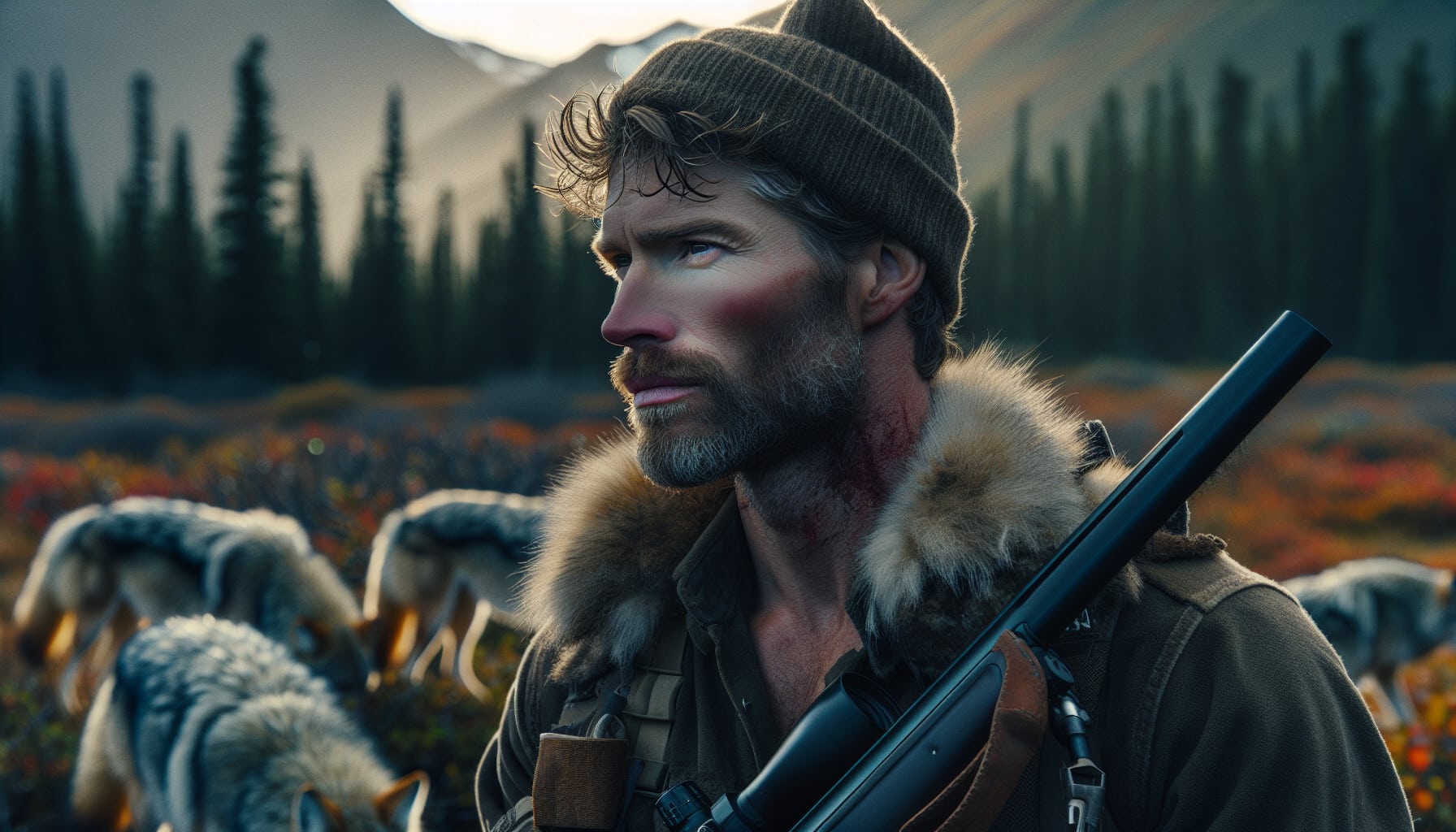
Hunting coyotes is a year-round activity, but January and February stand out as prime months for this pursuit. During these months, coyotes exhibit increased activity due to their mating season. Expert predator hunters Les Johnson and Jon Collins share their insights on effective hunting strategies during this critical time.
Understanding the Mating Season for Coyotes
Les Johnson notes that the timing of coyote breeding varies by region. In Nebraska, breeding typically occurs from early to late January, sometimes extending into February. Other areas across the United States and Canada may experience breeding activity that lasts through February and into March.
Jon Collins concurs, observing that breeding in Kentucky tends to peak in late January.
Expert Tip: Listen to four-time world coyote calling champion Al Morris, recognized as one of the industry’s leading predator hunters.
Differences in Hunting Tactics During Mating Season
Les Johnson emphasizes the importance of patience during the breeding season. He recommends sitting longer on stands, as this allows curious coyotes to approach the sounds. He has observed that pairs of coyotes may be less responsive due to their focus on their mates.
Tip from Les: When in proximity to coyotes, remain on a stand for 45 minutes or longer.
Jon Collins alters his calling tactics during this period. He shifts from prey and distress calls to using coyote vocalizations, which elicit territorial and curiosity responses from coyotes.
Tip from Jon: If a pair of coyotes responds, try to identify the female first. Shooting the female can increase the chances of stopping the male with coyote pup distress or fight sounds, potentially allowing for a double harvest.
Effective Calls and Sounds for Coyote Mating Season
Les Johnson prefers to keep his calling consistent. While many modern predator callers rely heavily on electronic game callers, he favors hand calls. He typically uses Jackrabbit distress sounds and occasionally incorporates kiyi calls or lone female howls.
Tip from Les: Avoid using coyote barks to keep all coyotes feeling safe to approach. After several minutes of howls, he transitions to rabbit distress calls.
Jon Collins utilizes a variety of coyote vocalizations during the breeding season. He often begins with 2-3 howls on a diaphragm call. If there is no immediate response, he follows up with howls from his Flextone FLX 1000 Electronic Game Call, then transitions to a series of pup in distress and coyote fight sounds, which have proven effective during this time.