
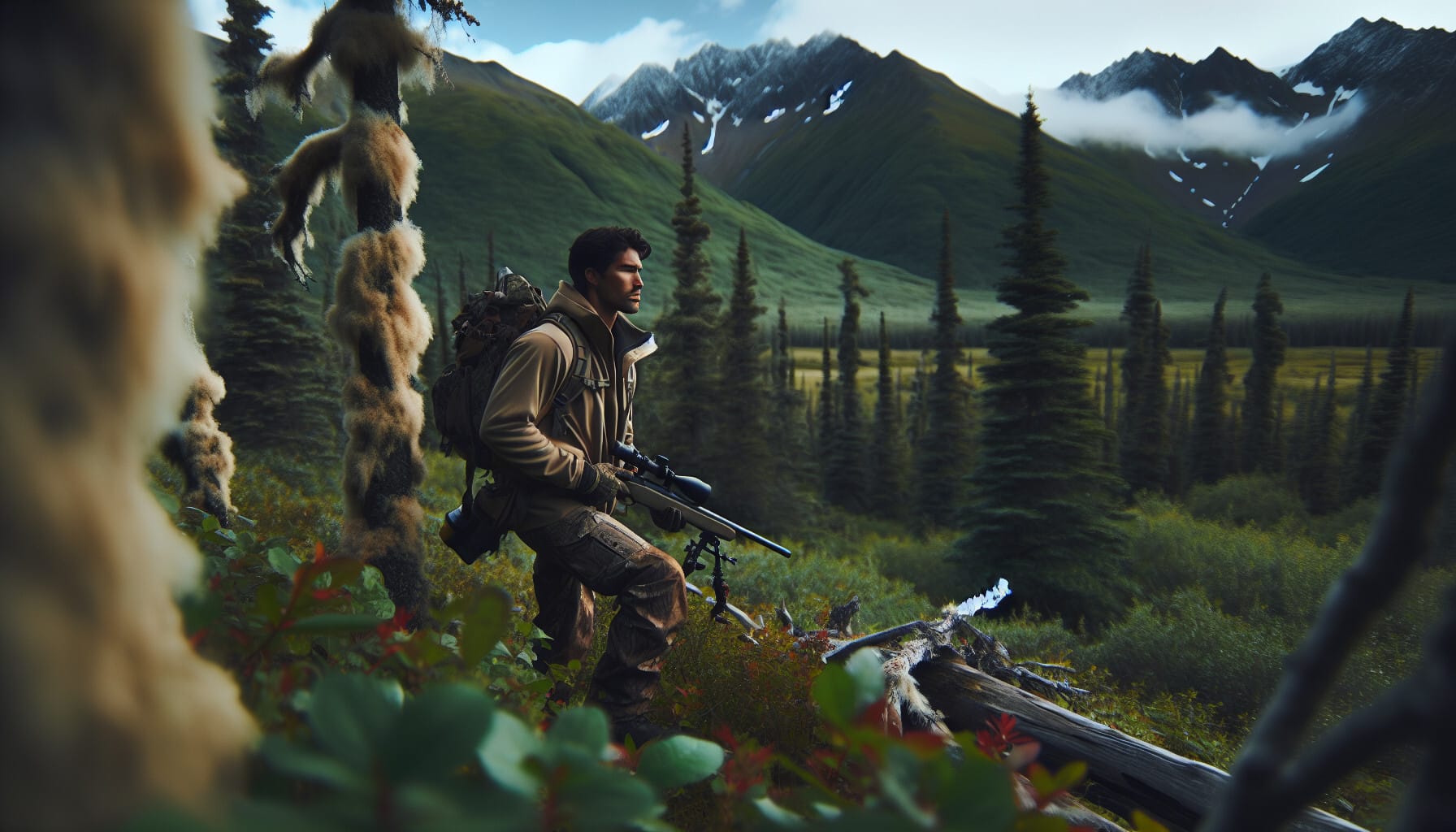


Ultimate Guide to Hunting in Alaska: FAQs Answered
Understanding Hunting Regulations in Alaska
Before embarking on a hunting trip in Alaska, it is crucial to familiarize oneself with the hunting regulations specific to the region. Regulations vary by species and location, and they are enforced to ensure sustainable wildlife populations. Key points include:
- Licensing: Hunters must obtain the appropriate licenses and tags for the species they intend to hunt.
- Seasons: Each species has designated hunting seasons, which can vary significantly across different regions.
- Bag Limits: There are specific limits on the number of animals that can be harvested per season.
Essential Gear for Hunting in Alaska
Successful hunting in Alaska requires specialized gear designed for the unique challenges of the environment. Recommended equipment includes:
- Firearms: Choose a rifle suitable for large game, such as a .30-06 or .300 Win Mag.
- Clothing: Layered, waterproof clothing is essential to combat the variable weather conditions.
- Navigation Tools: GPS devices and topographic maps are vital for navigating the vast wilderness.
Best Hunting Locations in Alaska
Alaska offers diverse hunting opportunities across its expansive landscape. Notable hunting areas include:
- Denali National Park: Known for its moose and caribou populations.
- Kenai Peninsula: Offers excellent black bear and deer hunting.
- Wrangell-St. Elias National Park: Home to a variety of game, including sheep and goats.
Wildlife Species Available for Hunting
Hunters in Alaska can pursue a variety of species, each presenting unique challenges and rewards:
- Moose: Known for their size and elusive nature, moose hunting requires patience and skill.
- Caribou: Offers a thrilling experience, particularly during migration seasons.
- Black Bear: Hunting black bears can be done in both spring and fall, with different strategies for each season.
Safety Considerations While Hunting
Safety is paramount when hunting in the Alaskan wilderness. Important safety tips include:
- Bear Awareness: Always be aware of bear activity in the area and carry bear spray.
- Weather Preparedness: Monitor weather conditions and be prepared for sudden changes.
- Hunting Partners: Always hunt with a partner and establish a communication plan.
Frequently Asked Questions About Hunting in Alaska
What is the best time to hunt in Alaska?
The best time to hunt depends on the species. Moose season typically runs from September to October, while caribou hunting is best in late summer and early fall.
Do I need a guide to hunt in Alaska?
While it is not mandatory to hire a guide, it is highly recommended, especially for inexperienced hunters or those unfamiliar with the terrain.
What are the costs associated with hunting in Alaska?
Costs can vary widely based on factors such as licensing fees, equipment, travel expenses, and potential guide services. Budgeting for these elements is essential for a successful trip.
How can I prepare for hunting in Alaska?
Preparation involves physical conditioning, understanding the local wildlife, and familiarizing oneself with hunting regulations. Additionally, scouting the area prior to the hunt can provide valuable insights.
Conclusion
Hunting in Alaska presents both challenges and rewards. By understanding the regulations, preparing adequately, and prioritizing safety, hunters can enjoy a successful and memorable experience in this breathtaking wilderness.