


Ultimate Guide to Hunting in Alaska: Tips and Techniques
Hunting in Alaska offers a unique experience, combining breathtaking landscapes with diverse wildlife. This guide serves as a comprehensive resource for both novice and seasoned hunters, detailing essential tips and techniques for a successful hunting expedition in the Last Frontier.
Understanding Alaska’s Hunting Landscape
Alaska’s vast wilderness is home to a variety of game species, including moose, caribou, bears, and waterfowl. Each region presents its own challenges and opportunities, making it crucial for hunters to understand the local terrain and wildlife behavior.
Key Regions for Hunting
- Interior Alaska: Known for its moose and caribou populations.
- Southcentral Alaska: Offers a mix of coastal and mountainous terrain, ideal for bear hunting.
- Southeast Alaska: Renowned for its waterfowl and deer hunting.
Essential Gear for Hunting in Alaska
Choosing the right equipment is vital for a successful hunt. Below is a list of essential gear:
- Firearms: Select a rifle suitable for large game, such as a .300 Win Mag or .338 Lapua.
- Clothing: Layered clothing is essential for temperature regulation. Waterproof and insulated gear is recommended.
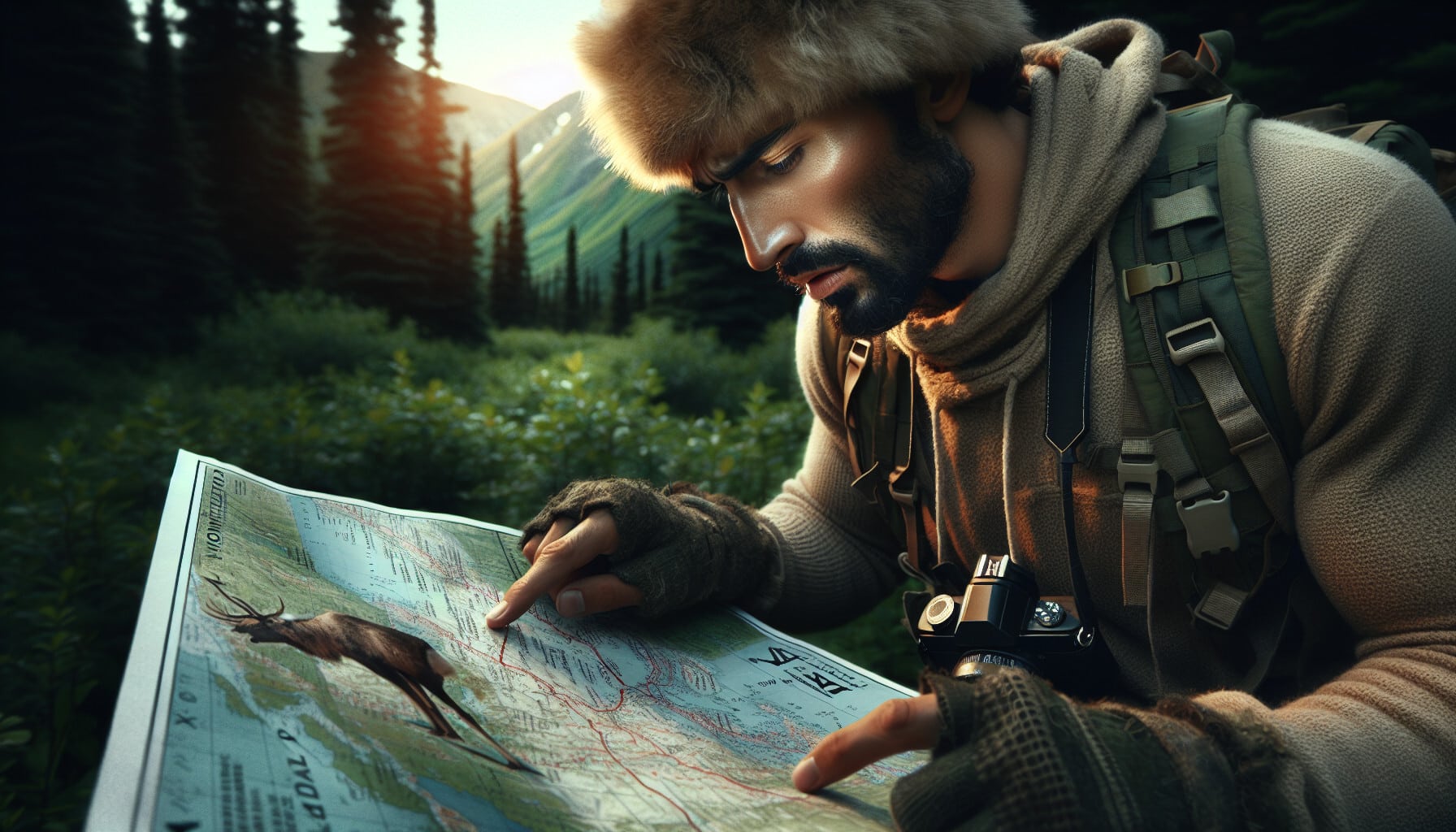
- Navigation Tools: GPS devices and topographic maps are crucial for navigating Alaska’s rugged terrain.
- Survival Kit: Include a first aid kit, fire-starting tools, and emergency food supplies.
Hunting Techniques and Strategies
Effective hunting in Alaska requires knowledge of various techniques:
Scouting and Tracking
Before the hunt, scouting is essential. Look for signs of wildlife, such as tracks, droppings, and feeding areas. Understanding animal behavior during different seasons can significantly enhance success rates.
Calling Techniques
Using calls can attract game. For instance, moose calls during the rutting season can be particularly effective. Practice your calling techniques to ensure realism.
Field Dressing and Processing
Once an animal is harvested, proper field dressing is critical. This not only preserves the meat but also ensures safety. Familiarize yourself with the techniques for field dressing different species.
Seasonal Considerations for Hunting in Alaska
Timing plays a crucial role in hunting success. Here are some seasonal insights:
- Fall: Ideal for moose and caribou, with the rutting season providing increased activity.
- Spring: A good time for bear hunting as they emerge from hibernation.
- Winter: Focus on waterfowl and small game, as larger game is less active.
Regulations and Ethical Hunting Practices
Understanding local regulations is essential for any hunter. Always check for licensing requirements, hunting seasons, and bag limits. Ethical hunting practices not only ensure sustainable wildlife populations but also enhance the hunting experience.
Common Pitfalls to Avoid
- Neglecting to check weather conditions before heading out.
- Underestimating the importance of physical fitness for navigating challenging terrains.
- Failing to properly store harvested game, leading to spoilage.
Conclusion: Preparing for Your Alaskan Adventure
Hunting in Alaska is an exhilarating experience that requires preparation, knowledge, and respect for the environment. By equipping oneself with the right gear, understanding local wildlife, and adhering to regulations, hunters can enhance their chances of a successful and rewarding hunt. Embrace the adventure and enjoy the breathtaking beauty of Alaska’s wilderness.