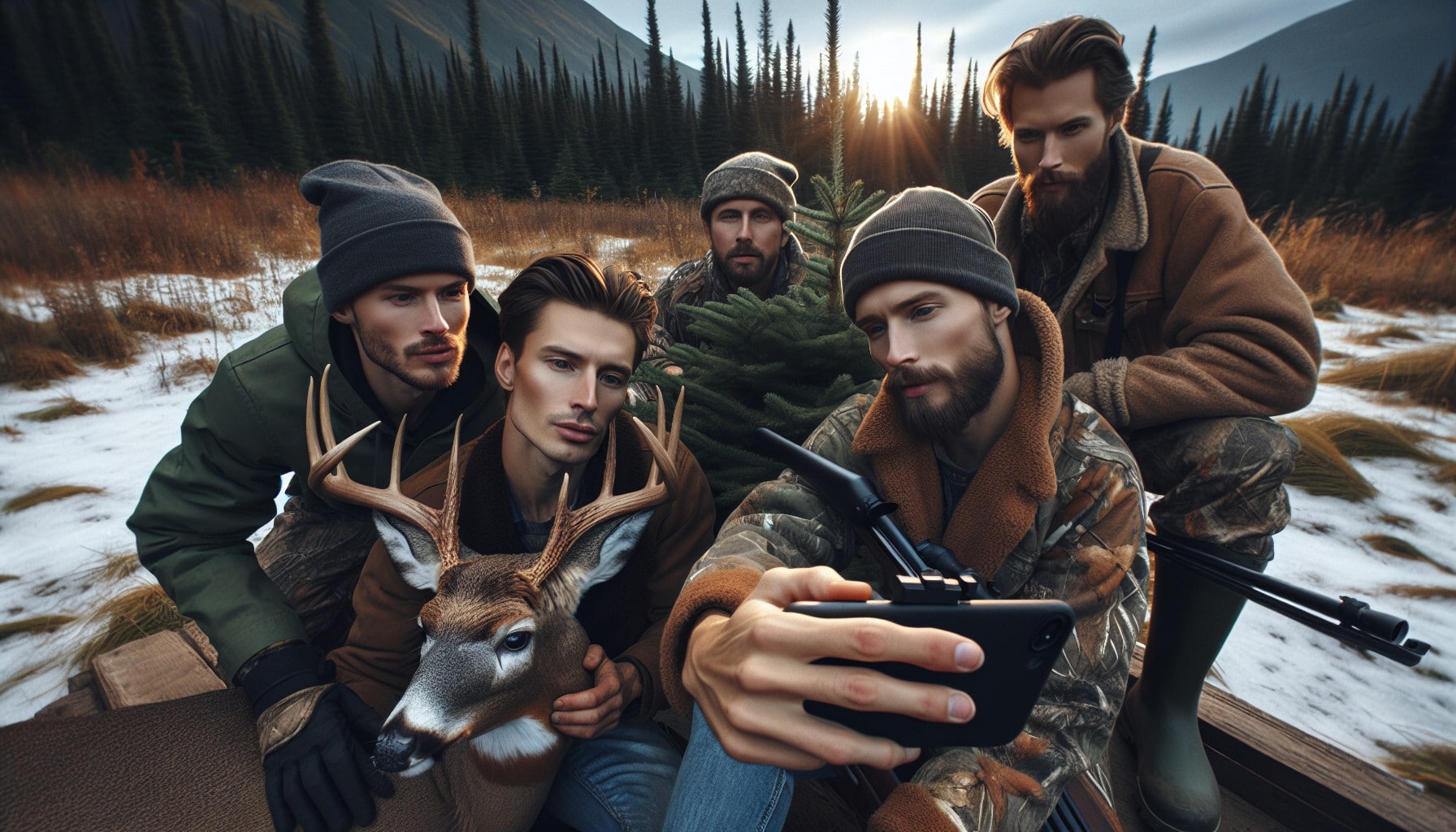
Hunters facing crowded conditions during deer hunting often seek secluded, overlooked spots. One such hidden gem is an island.
Islands are challenging to access and frequently serve as a refuge for late-season bucks. Perfect your setup, disturb the peace, and enjoy a victorious paddle back to the mainland.
These locations are often ignored due to their difficult access, but they can provide exceptional hunting opportunities. Herds are typically robust, and the lack of pressure makes island deer less wary than their mainland counterparts. Additionally, these isolated areas tend to harbor a higher percentage of older, larger bucks due to the seclusion they offer.
How to Hunt Island Ungulates
Begin your search by studying topographic maps and utilizing Google Earth. You may recall some islands encountered during fishing trips.
Once you identify potential locations, consider these two strategies:
Stand Hunting
Bucks often migrate to islands as pressure builds on the mainland during open gun seasons. The key to harvesting these animals is understanding their movement patterns and identifying entry points to these isolated tracts.
Deer may swim to reach islands, but they prefer to wade. Look for shallow riffle areas (indicated by squiggly lines on topographic maps) that provide easier access to the island. Scout for trails on the mainland with fresh signs leading to these funnel points.
Once you reach the island, observe where deer emerge from the water. Set up a treestand or ground blind in the nearest thick cover, downwind from their entry point. You may hear the deer sloshing onto shore before visually spotting them.
Prepare yourself; a buck could appear at any moment.
Driving for Big Buck Castaways
Islands are ideal for drives, especially in the late season when the number of animals increases due to pressure on the mainland. The challenge with drives is finding a contained, well-defined area to push; islands resolve this issue.
Position one stander at the far end of the island and another at a likely shallow spot where deer might attempt to cross back to the mainland. Send the drivers slowly through the cover, working with a tail or crosswind. They should move cautiously and pause frequently, kicking any brush piles and blow-downs encountered.
Another effective drive strategy involves two walking hunters without standers. One hunter moves through the island at a slow to moderate pace while the second trails behind at a 45-degree angle on the downwind side, maintaining a distance of 75-125 yards. The exact distance depends on the thickness of the cover and visibility.
The first hunter may encounter a buck directly, but often, they will flush a deer that circles downwind to investigate the disturbance, placing it right in front of the trailing hunter.
This technique allowed a hunter to harvest a significant Montana 8-pointer along the Musselshell River a few years ago. Experiences like this have fostered a strong appreciation for island hunting, particularly during the late season when mainland deer face increased pressure.