
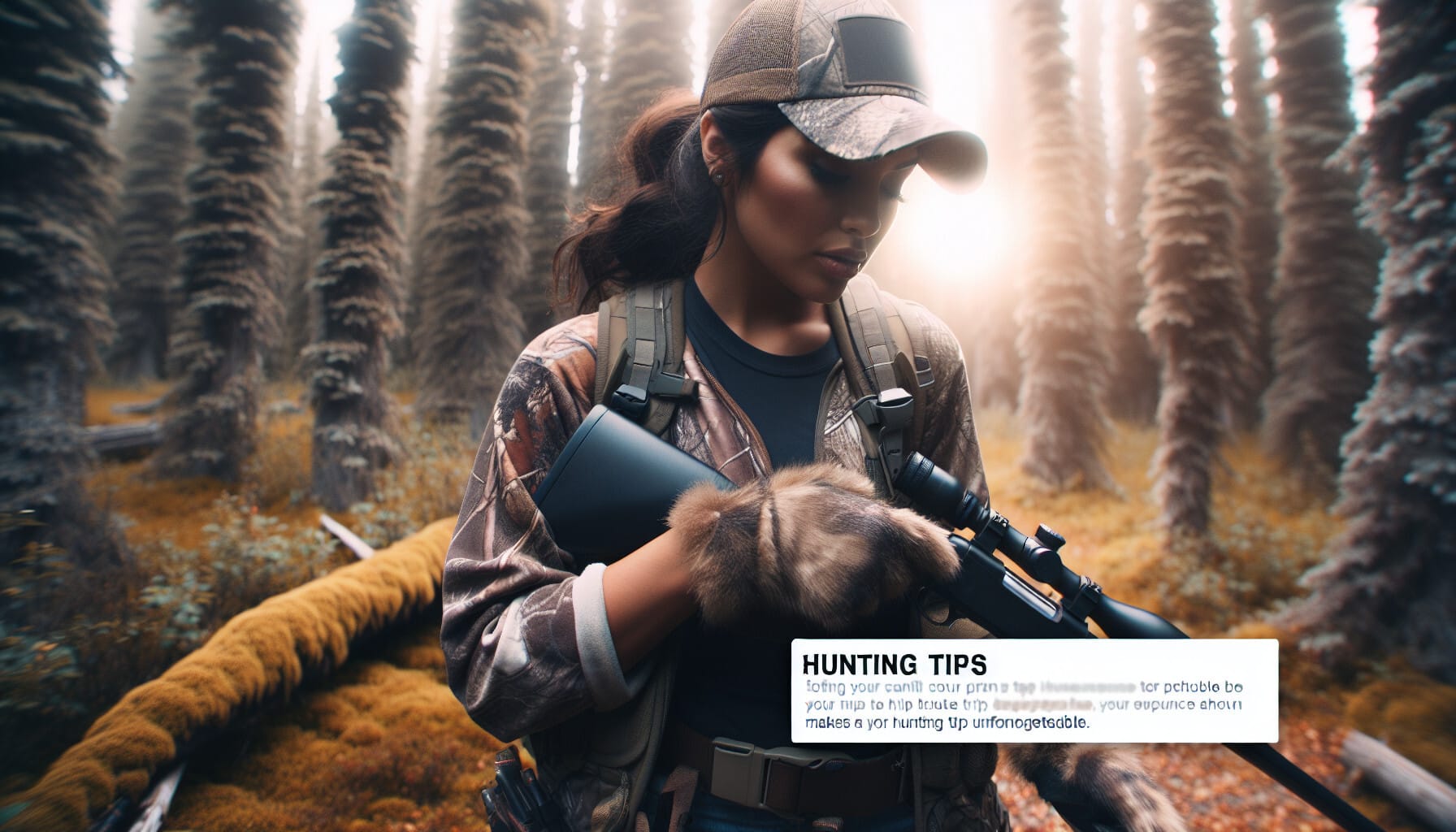
Hunting in Alaska: Top Tips for an Unforgettable Adventure
Understanding the Alaskan Hunting Landscape
Alaska offers some of the most diverse and thrilling hunting experiences in North America. With its vast wilderness, varied terrain, and abundant wildlife, hunters can pursue species such as moose, caribou, and bears. Understanding the unique characteristics of Alaskan hunting is crucial for a successful trip.
Essential Preparation for Alaskan Hunting
-
Research Regulations: Familiarize yourself with Alaska’s hunting regulations, including licensing requirements, hunting seasons, and bag limits. This ensures compliance and contributes to sustainable hunting practices.
-
Choose the Right Time: Optimal hunting seasons vary by species. For example, moose hunting is best in September, while caribou are often hunted in late summer. Research specific timing to maximize your chances.
-
Select Appropriate Gear: Equip yourself with high-quality gear tailored for Alaskan conditions. Essential items include:
- Weatherproof Clothing: Layering is key to adapt to changing weather.
- Durable Footwear: Waterproof boots with good traction are vital for navigating rugged terrain.
- Optics: Binoculars and scopes should be of high quality for spotting wildlife from a distance.
Navigating the Terrain
Alaska’s diverse landscapes range from dense forests to open tundra. Understanding the geography can enhance hunting success:
-
Know the Terrain: Familiarize yourself with the areas you plan to hunt. Topographical maps and GPS devices can help navigate challenging landscapes.
-
Wildlife Patterns: Study animal behavior and migration patterns. This knowledge can significantly improve your chances of a successful hunt.
Safety Considerations
Safety should always be a priority when hunting in remote areas:
-
Travel in Groups: Hunting with companions not only enhances safety but also increases the likelihood of success.
-
Emergency Preparedness: Carry a first-aid kit, a reliable communication device, and know the location of the nearest medical facilities.
Ethical Hunting Practices
Responsible hunting is essential for preserving Alaskan wildlife:
-
Respect Wildlife: Follow ethical hunting practices, including fair chase principles and minimizing waste.
-
Leave No Trace: Ensure that all waste is properly disposed of and that the natural environment is preserved for future generations.
Conclusion: Embarking on Your Alaskan Adventure
Hunting in Alaska is not just about the thrill of the chase; it’s about immersing oneself in the stunning landscapes and respecting the wildlife that inhabits them. By preparing thoroughly and adhering to ethical practices, hunters can ensure a memorable and responsible adventure in the Last Frontier.
Practical Takeaways
- Always check local regulations before your trip.
- Invest in high-quality gear suited for Alaskan conditions.
- Understand the terrain and wildlife patterns to improve hunting success.
- Prioritize safety and ethical practices throughout your adventure.


