
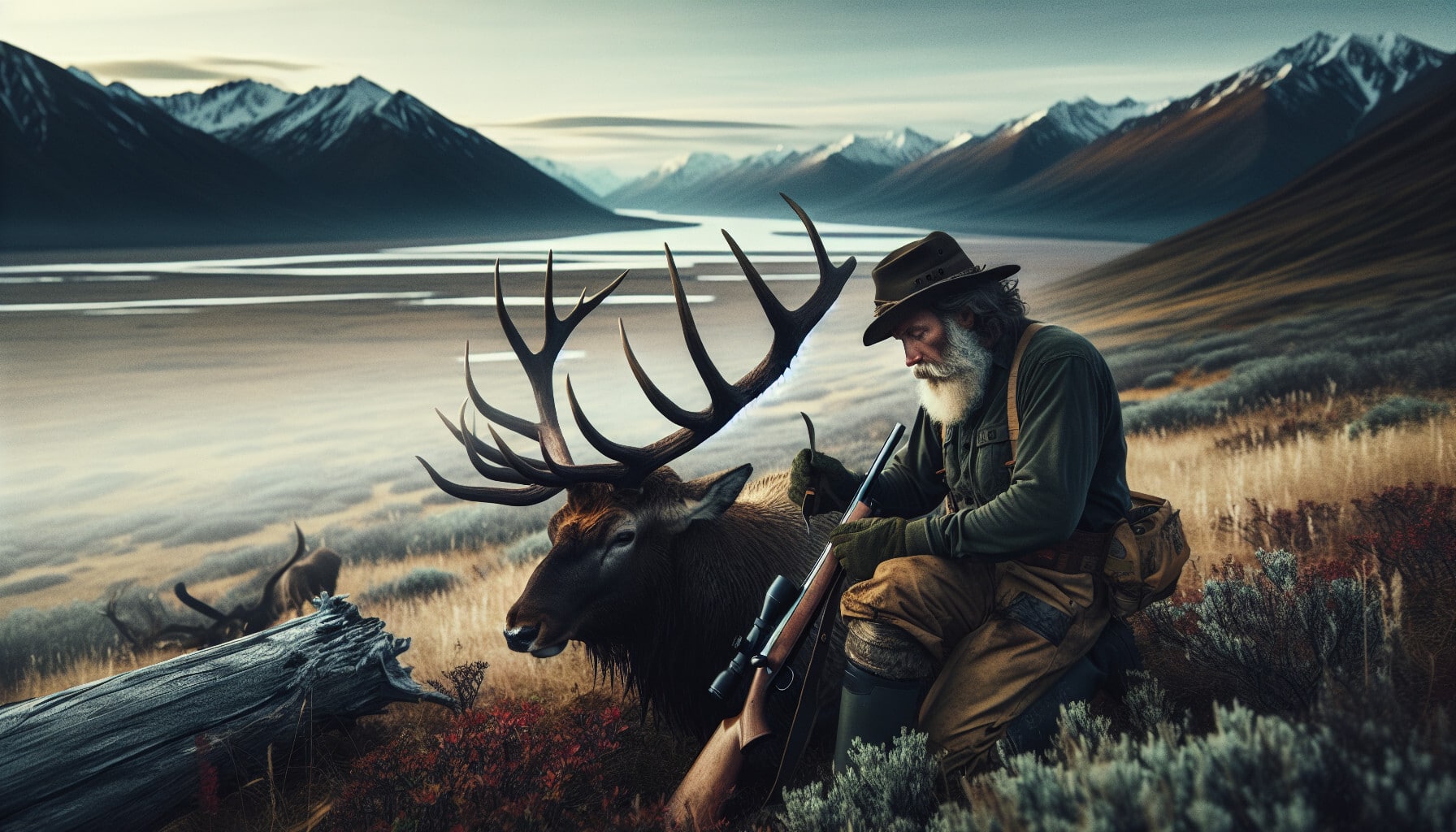


Master the Pre-Rut: Top Tips for Hunting in Alaska
Understanding the Pre-Rut Phase in Alaska
The pre-rut phase is a critical time for hunters in Alaska, as it marks the period leading up to the mating season for many game animals, particularly deer and moose. During this time, animals exhibit distinct behaviors that can be leveraged for successful hunting.
Key Characteristics of Pre-Rut Behavior
- Increased Activity: Animals become more active as they prepare for mating.
- Territorial Displays: Males often engage in displays of dominance, making them more visible.
- Vocalizations: Calls and other vocalizations increase, providing hunters with cues about animal presence.
Optimal Timing for Hunting
Timing is essential during the pre-rut. The best times to hunt are typically early morning and late afternoon when animals are most active. Understanding local weather patterns can also enhance success rates, as animals tend to move more during cooler temperatures.
Essential Gear for Pre-Rut Hunting
- Camouflage Clothing: Blending into the environment is crucial for approaching game.
- Quality Binoculars: Essential for spotting animals from a distance.
- Calls and Lures: Utilizing deer or moose calls can attract animals during this phase.
- Trail Cameras: These can help monitor animal movements and behaviors leading up to the hunt.
Strategies for Success
-
Scout Locations: Prior to the hunting season, scout areas known for high animal activity. Look for tracks, droppings, and feeding signs.
-
Set Up Early: Arrive at your hunting location well before dawn to minimize disturbance and maximize stealth.
-
Use Calls Effectively: Experiment with different calls to determine what attracts animals best in your area.
-
Stay Patient and Quiet: Movement and noise can easily scare off potential game. Remain still and quiet while waiting.
Common Pitfalls to Avoid
- Ignoring Wind Direction: Always be aware of wind direction to avoid alerting animals to your presence.
- Overcalling: Too much calling can lead to spooking animals. Use calls sparingly and strategically.
- Hunting Too Close to Trails: While animals frequent trails, hunting too close can lead to missed opportunities if they sense danger.
Conclusion: Preparing for a Successful Hunt
Mastering the pre-rut phase requires understanding animal behavior, strategic planning, and the right gear. By following these tips, hunters can significantly improve their chances of success in the beautiful and challenging landscapes of Alaska.
Expert Tips
- Stay Informed: Regularly check local hunting regulations and updates to ensure compliance and enhance your knowledge.
- Network with Local Hunters: Engaging with experienced hunters can provide valuable insights and tips specific to the region.
By focusing on these strategies, hunters can effectively navigate the pre-rut phase and maximize their hunting success in Alaska.