
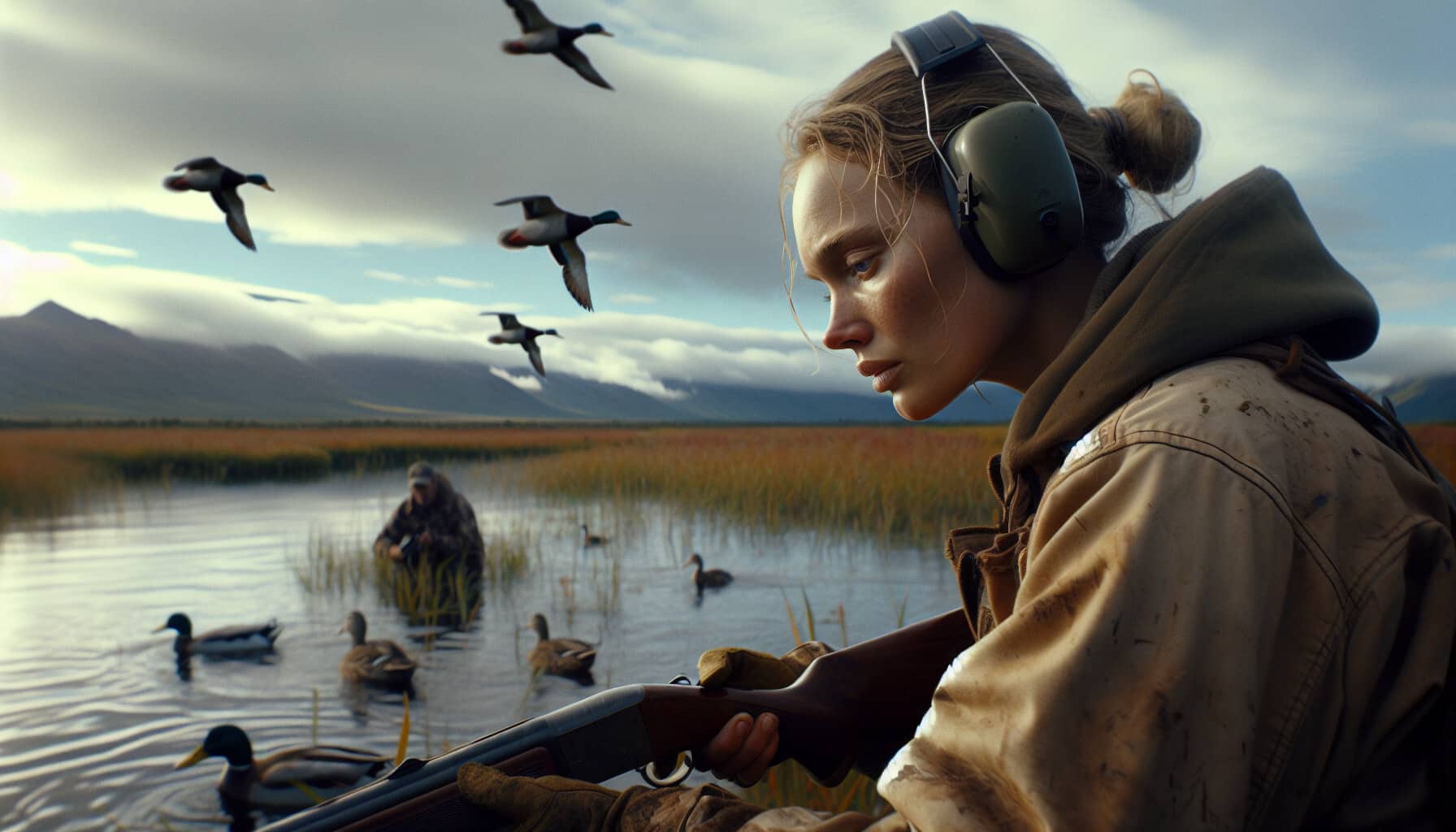


Getting Started with Alaska Duck Hunting
Duck hunting is more than just a sport; it is a cherished tradition that fosters a deep connection with nature and camaraderie among hunters. The thrill of outsmarting a keen-eyed bird at dawn, coupled with shared experiences among friends and family, creates an unparalleled adventure in the wilds of Alaska.
Basic Requirements for Duck Hunting
Embarking on a duck hunting journey necessitates essential gear. A reliable shotgun specifically designed for waterfowl hunting is paramount. Non-toxic ammunition, such as steel shot, is crucial as lead shot is prohibited in many regions. Waterproof waders and camouflage clothing are vital for staying dry and concealed. Additionally, decoys and duck calls are indispensable tools for attracting ducks to your hunting area.
Legal Considerations and Permits
Understanding the legal landscape is essential before heading out. A hunting license and a specific waterfowl stamp are required. Federal and state regulations dictate season dates, bag limits, and protected species. Staying updated on the latest regulations ensures compliance and contributes to sustainable hunting practices.
Essential Gear for Novice Duck Hunters
Types of Firearms and Ammunition
A 12-gauge shotgun is the preferred choice for most duck hunters, although some may opt for a 20-gauge due to its lighter recoil. Ensure the shotgun is compatible with non-toxic shot, with steel shot being the standard. Alternatives such as bismuth or tungsten are also available for those who prefer different options.
Clothing and Camouflage
Staying dry and hidden is crucial for a successful hunt. Invest in high-quality waterproof waders and jackets. Camouflage clothing should seamlessly blend into the environment; select patterns that match the hunting terrain—grassy patterns for open fields and leafy or bark-like prints for wooded areas.
Decoys and Calls
Decoys and calls are essential tools in the field. Start with a basic set of a dozen floating decoys. Mastering the use of a duck call to mimic natural sounds will significantly enhance hunting effectiveness. Dedicate time to practice calling techniques to improve skills.
Techniques and Tips for Successful Duck Hunting
Identifying Duck Species
Recognizing different duck species is vital for legal and ethical hunting. Certain species have specific bag limits, while others may be protected. Utilize field guides or identification apps to become proficient in species recognition.
Setting Up Decoys
Your decoy setup can significantly impact your hunt. A simple “J” or “U” formation is effective, creating a natural landing zone for ducks. Position decoys at varied distances to enhance realism, and adjust based on wind direction and visibility.
Calling Techniques and Strategies
Effective calling requires practice. Begin with basic quacks and feeding calls, observing how ducks respond and adjusting techniques accordingly. Remember, sometimes less is more; overcalling can deter ducks. Utilize the off-season to refine calling skills.
Safety and Best Practices for Beginners
Gun Safety Measures
Safety must always be the top priority. Treat every firearm as if it is loaded. Keep the muzzle pointed in a safe direction and never aim at anything not intended for shooting. Maintain awareness of surroundings and the location of hunting partners.
Ethical Hunting Practices
Respect for wildlife and the environment is essential. Take only legal shots and aim for clean, humane kills. Retrieve all downed birds and utilize them fully. Adhere to the principles of fair chase and ensure the hunting area is cleaner than found.
What Not to Do When Duck Hunting
Avoid sky busting, which involves taking shots at ducks beyond effective range, often resulting in wounded birds that are difficult to retrieve. Be considerate of other hunters by providing ample space to ensure safety and enjoyment for all. Lastly, never disregard local regulations and bag limits; these rules are crucial for wildlife conservation and maintaining a sustainable hunting environment.
Planning Your First Duck Hunt
Choosing the Right Location
Selecting an optimal hunting spot is critical. Seek areas with abundant waterfowl activity, such as lakes, rivers, marshes, and coastal zones. Public wildlife management areas and refuges are excellent starting points. Scout your chosen location in advance to understand the terrain and duck patterns.
Optimal Times for Duck Hunting
Ducks are most active during dawn and dusk, making these prime hunting times. Arrive at your location well before sunrise to set up decoys and prepare your position. Similarly, be ready for the evening flight just before sunset. Midday hunts can also yield success, especially during overcast or windy conditions.
Understanding Weather and Water Conditions
Weather significantly influences duck hunting success. Cloudy, windy days are often more productive than clear, calm ones, as ducks tend to be more active. Monitor water levels, as they can affect duck behavior. Regularly assess conditions and be prepared to adjust plans accordingly.
Frequently Asked Questions
How to Start Duck Hunting for Beginners
Begin by acquiring the necessary permits and familiarizing yourself with local hunting regulations. Invest in essential gear, such as a suitable shotgun, waders, camouflage clothing, decoys, and calls. Joining local hunting groups or forums can provide valuable insights and tips from experienced hunters. Practice shooting and calling skills, and scout potential hunting locations to enhance success rates.
Is Duck Hunting an Expensive Hobby?
Duck hunting can range from affordable to costly, depending on choices made. Initial expenses include a shotgun, ammunition, waders, camouflage clothing, decoys, and calls. Over time, additional investments may include boats, blinds, or specialized clothing. Many hunters begin with basic equipment and gradually expand their collection.
What Time of Day Should You Duck Hunt?
The best times to hunt ducks are early morning and late afternoon when ducks are most active. Arrive at your hunting spot well before sunrise to set up and prepare for the morning flight. Similarly, be ready for the evening flight just before sunset. Midday hunts can also be fruitful, especially in overcast or windy conditions.